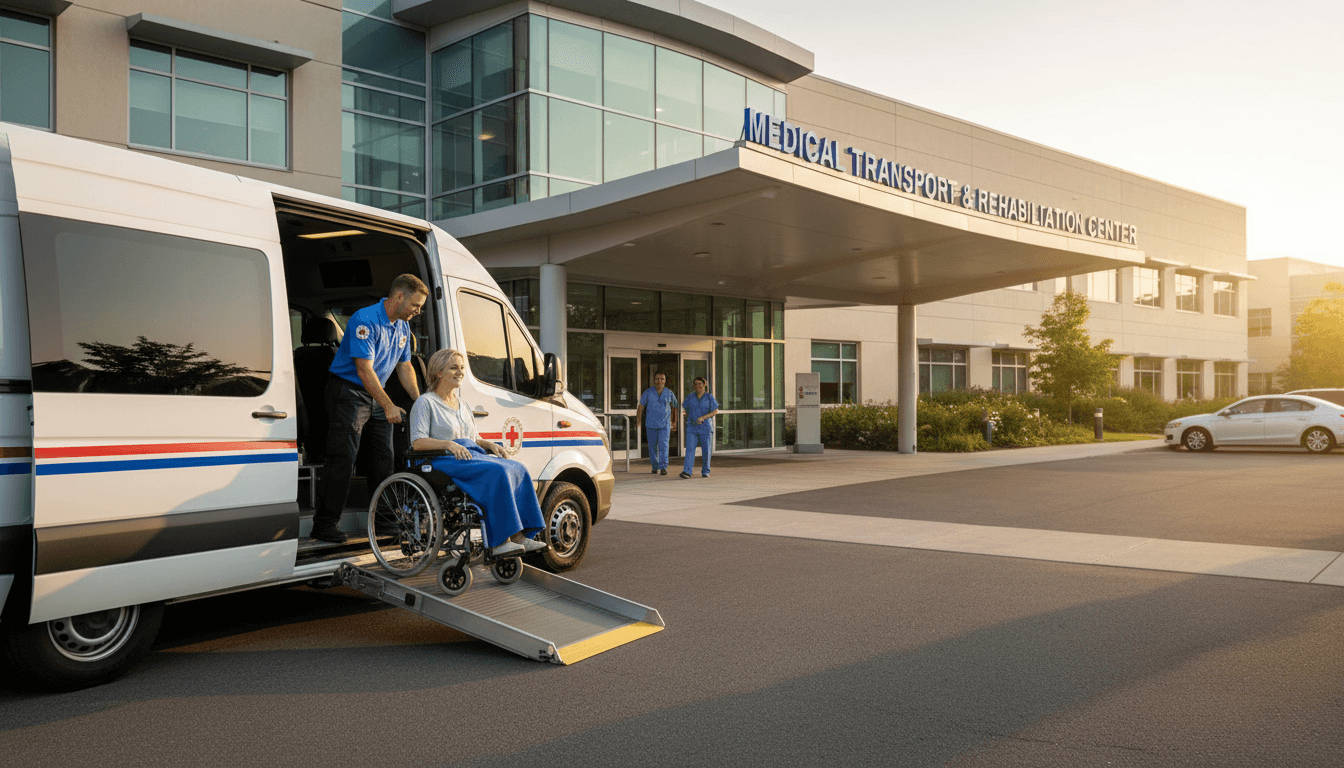

Patients can access transportation to physical therapy Orange County through free clinic-provided shuttles, specialized non-emergency medical transport services, or ride-sharing platforms like UberHealth. Individuals facing mobility or financial barriers should also contact their healthcare provider directly to inquire about internal assistance programs or community resources that ensure consistent attendance at appointments.
Recovering from surgery or managing a chronic injury is taxing enough without the added logistical nightmare of navigating Orange County traffic when you cannot drive. For many local patients, the inability to get to a clinic becomes a significant barrier to healing; consistency remains the most critical factor in successful rehabilitation. Relying on friends or standard ride-hailing apps often creates more stress, as these options frequently lack the specialized support and safety protocols necessary for those using walkers, wheelchairs, or managing post-operative pain. This guide provides a comprehensive overview of your transportation options in Orange County, including public resources, insurance considerations, and the benefits of professional medical transit. You will learn how to coordinate seamless arrivals with your physical therapy team and discover how specialized support can keep your recovery on schedule.
The Challenge of Maintaining Physical Therapy Appointments Without a Car
Living in Orange County typically requires a vehicle for nearly every daily task. However, following a major orthopedic procedure or the onset of a chronic neurological condition, the car often becomes off-limits. For many patients in Newport Beach and Irvine, the inability to drive stems from clinical necessity. Post-operative medications often impair the reflexes and judgment required for safe driving. Furthermore, physical limitations, such as a cast on the right leg or reduced range of motion in the hip, make operating a vehicle’s pedals physically impossible. Neurological symptoms like vertigo or muscle weakness can also make getting behind the wheel a significant safety risk.
The logistical strain is compounded by the rigorous nature of rehabilitation. Effective recovery protocols generally require two to three visits per week. Coordinating twelve or more round trips every month creates a massive scheduling bottleneck for local families. Relying on friends or relatives to navigate the 405 or Pacific Coast Highway multiple times a week is often unsustainable for working caregivers. Securing reliable non-emergency medical transportation services is essential because the stress of arranging transportation to physical therapy Orange County patients need should not interfere with the healing process itself.
The Risks of Missing Your Rehabilitation Sessions
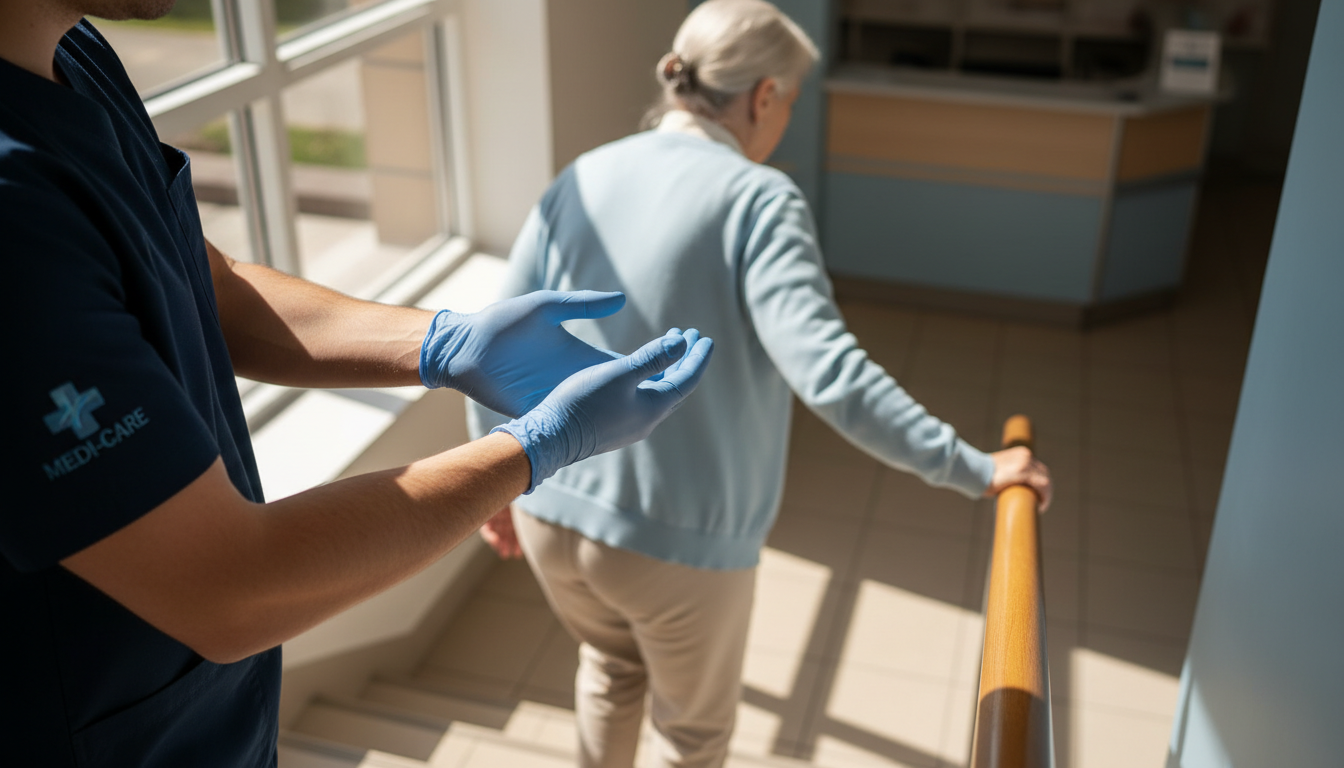
Consistency in rehabilitation is not merely a suggestion; it is a clinical requirement for successful recovery. While it is often noted that consistency is key, the physiological impact of even a brief gap in care is frequently underestimated. When a patient misses scheduled sessions, the body’s healing process can stall or reverse. Joint stiffness, particularly following orthopedic surgery, can quickly lead to restricted ranges of motion that become permanent without professional intervention. This is because scar tissue begins to set in ways that only a licensed therapist can properly manage through manual manipulation.
Furthermore, muscle atrophy occurs rapidly when a limb is underutilized or when exercises are performed incorrectly without supervision. A physical therapist adjusts the intensity and type of movement based on real-time physiological feedback; without this oversight, a patient may inadvertently overexert themselves, leading to a high risk of re-injury. Beyond the physical setbacks, there are significant administrative consequences to consider. Insurance providers, including those common in Newport Beach and Irvine, monitor attendance as a metric of "medical necessity."
If a patient becomes non-compliant with their prescribed schedule, the insurance company may stop authorizing future visits, assuming the treatment is either unnecessary or ineffective. Securing reliable transportation to physical therapy Orange County patients can depend on is therefore essential for protecting both your physical health and your insurance benefits. Utilizing professional non-emergency medical transportation services ensures you adhere to the three-visit-per-week protocols often required for a full recovery. For those managing long-term mobility challenges, integrating senior transportation services into your recovery plan prevents these avoidable clinical and financial risks.
Why Traditional Ride-Sharing Isn't Always Suitable for PT Patients
While ride-sharing platforms offer general convenience, they are fundamentally designed for able-bodied passengers who can manage their own entry and exit. For someone recovering from a total hip replacement or managing chronic mobility issues, the curb-to-curb model creates a dangerous gap in care. Standard ride-share drivers are often prohibited by company policy from leaving their vehicles or providing physical stabilization. This presents a major obstacle for residents in Newport Beach or Laguna Woods, where many homes feature multi-story layouts, steep driveways, or complex gated entries that require more than a simple drop-off.
A patient returning from a grueling session may lack the physical stamina to navigate the distance from the sidewalk to their front door. Standard drivers cannot assist a client down a flight of stairs or ensure they are safely settled inside their residence. Furthermore, while some digital platforms offer medical-leaning tiers, they still lack the clinical oversight necessary for specialized wheelchair transportation in Irvine or other nearby areas. These services do not provide the door-through-door care that is standard with professional non-emergency medical transportation services.
In the context of physical therapy, the transition is just as critical as the ride itself. A professional driver understands how to assist with gait belts, manage heavy mobility equipment, and navigate the specific layouts of Orange County medical plazas. Relying on an untrained driver for transportation to physical therapy Orange County patients require risks falls or overexertion, potentially undoing the hard-earned progress made during the rehabilitation appointment.
Orange County Public and Senior Transportation Resources
For many residents, the first instinct is to explore local government programs funded by the county. Orange County offers the Senior Non-Emergency Medical Transportation (SNEMT) program, which is specifically designed for residents aged 60 and older who lack other means of transit to medical appointments. While it provides a low-cost solution for getting to clinics, it often requires significant advance notice and strict eligibility verification through the Office on Aging.
Another option is OCTA ACCESS, the county's paratransit service for individuals with physical or cognitive disabilities that prevent them from using regular fixed-route buses. While these senior transportation services are vital for general community mobility, they have inherent limitations for those undergoing intensive rehabilitation. The primary challenge with public resources is the shared-ride nature of the service. You may be picked up much earlier than your appointment and remain on the vehicle while other passengers are routed throughout the county.
For a patient who has just completed a demanding session of manual therapy or gait training, sitting in a van for an extended period can be physically taxing and may even exacerbate post-treatment soreness. Furthermore, these non-emergency medical transportation services typically require reservations days or even weeks in advance. This lack of flexibility makes it difficult to adjust for the short-term scheduling changes or fatigue-based cancellations common in post-surgical recovery. While public programs provide a baseline of access, the logistical demands often conflict with the precision and comfort required for effective transportation to physical therapy Orange County patients deserve.
Does Insurance or Medicare Cover Transportation to Physical Therapy?

Understanding the financial landscape of rehabilitation is vital for residents coordinating long-term care. A frequent question is whether federal or state programs offset the cost of transportation to physical therapy Orange County patients require. Standard Medicare Part B generally does not cover non-emergency transport to outpatient therapy clinics, as these services are often categorized as a convenience rather than a medical necessity under traditional guidelines.
However, many patients in the Newport Beach area utilize Medicare Advantage plans or Medi-Cal, both of which frequently include non-emergency medical transportation services as a supplemental benefit. These plans recognize that getting to the clinic is a prerequisite for recovery. To determine your eligibility, you should contact your insurance provider and ask the following specific questions:
Is non-emergency medical transportation listed as a supplemental benefit in my specific policy?
Do I need a prior authorization for NEMT before my first session?
Does the plan require a specific Physician Certification Statement or medical necessity form from my physical therapist?
Insurance providers typically require documentation from your therapist confirming that your clinical condition, such as post-surgical weight-bearing restrictions or neurological impairment, prevents you from using standard transit. Once this medical necessity is established, navigating the logistics of your recurring treatment schedule becomes significantly more manageable.
The RideRx Advantage: Specialized Support for Ambulatory and Wheelchair Patients
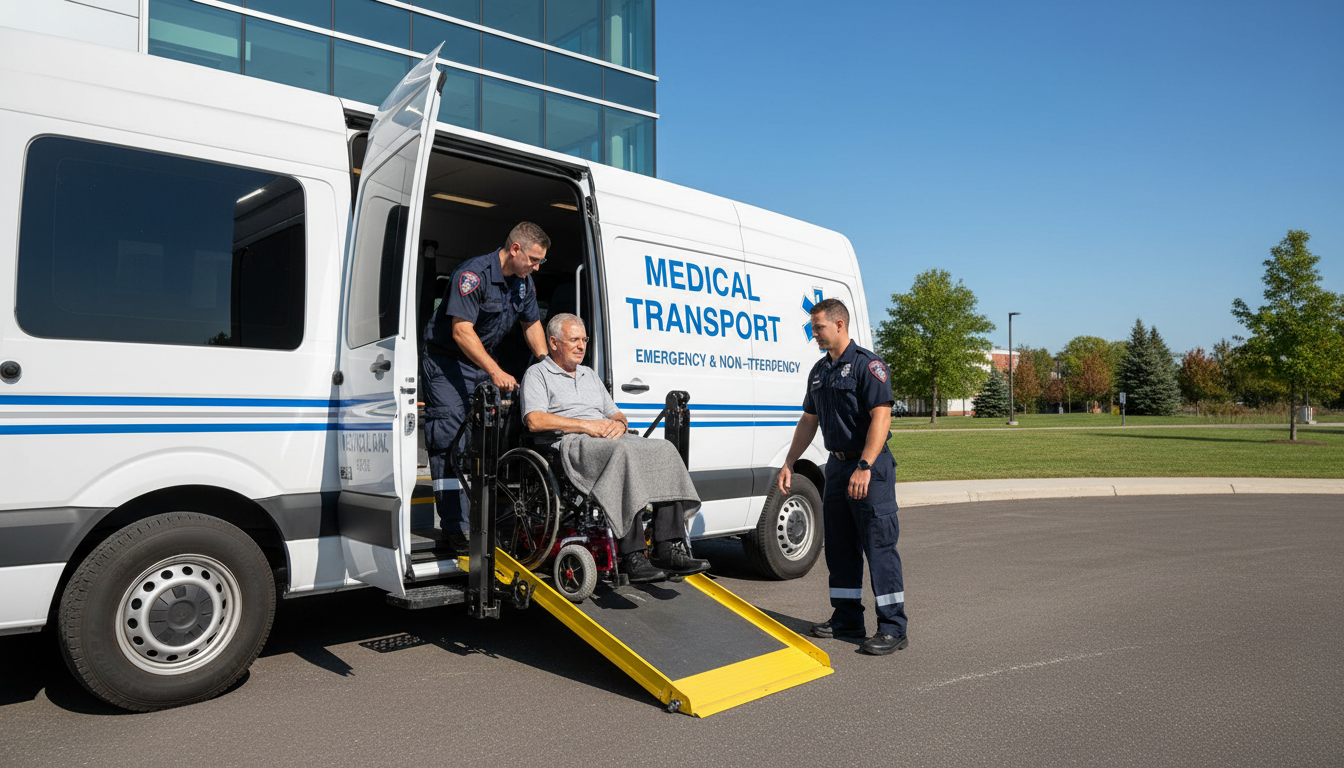
RideRx Medical Transportation provides a dedicated alternative for patients in Newport Beach and surrounding South Orange County who require more than just a vehicle. Our team specializes in the precise logistical needs of rehabilitation, bridging the gap between clinical requirements and home life. Unlike curb-to-curb services, our drivers are trained in door-through-door assistance. This means we help you navigate stairs, secure mobility aids, and ensure you are safely handed off to the clinical staff at the front desk of your therapy center.
Our fleet consists of modern, wheelchair-accessible vehicles designed specifically for comfort and safety. For those seeking wheelchair transportation in Irvine or neighboring cities, we eliminate the physical strain of boarding a standard sedan or high-clearance SUV. We recognize that recovery protocols often demand three sessions per week; therefore, we prioritize reliability through scheduled recurring rides. By booking in blocks, you ensure your transportation to physical therapy Orange County appointments is guaranteed for the entire month, removing the stress of last-minute logistics.
Our drivers are professionals who understand the physical and emotional toll of post-surgical recovery. They provide the steady, compassionate support needed when movement is painful or fatiguing. By choosing specialized non-emergency medical transportation services, you are investing in a partner who values your progress as much as your therapist does. For families managing complex recovery timelines, our senior transportation services provide the reliability necessary to maintain long-term health goals. If you are ready to secure your rehab schedule, you can contact us today to discuss your specific mobility needs.
How to Coordinate Your Transportation with Your PT Clinic
Effective rehabilitation requires a collaborative approach between your clinic and your transport provider. Begin by asking the office manager at your therapy center if they have preferred non-emergency medical transportation services. Many clinics in Newport Beach and Irvine maintain lists of trusted providers who are familiar with their specific facility layouts and check-in procedures. High-quality coordination ensures the therapist is ready for your arrival, making the transition from the vehicle to the treatment table seamless.
When scheduling your rides, aim for an arrival time at least 15 minutes prior to your session start. This buffer allows for necessary paperwork, therapist check-ins, or changing into athletic attire without cutting into your valuable treatment time. To maximize reliability, coordinate your transportation to physical therapy Orange County sessions in monthly blocks. Aligning your transit schedule with your prescribed multi-week therapy plan ensures you never miss a slot due to last-minute availability issues. This proactive strategy is particularly helpful for those utilizing wheelchair transportation in Irvine or specialized senior transportation services. If you are ready to align your recovery schedule with expert transit, contact us today to finalize your logistics.
Navigating your physical therapy schedule in Orange County requires careful planning, but staying consistent is essential for your recovery. While public options and family support are helpful, managing these logistics can sometimes feel overwhelming. If you want expert help ensuring you never miss a session, professional assistance might be the right choice for your needs. We invite you to explore our transportation services to see how we can support your journey. Our team is dedicated to providing the reliable, comfortable care you deserve while you focus on healing.