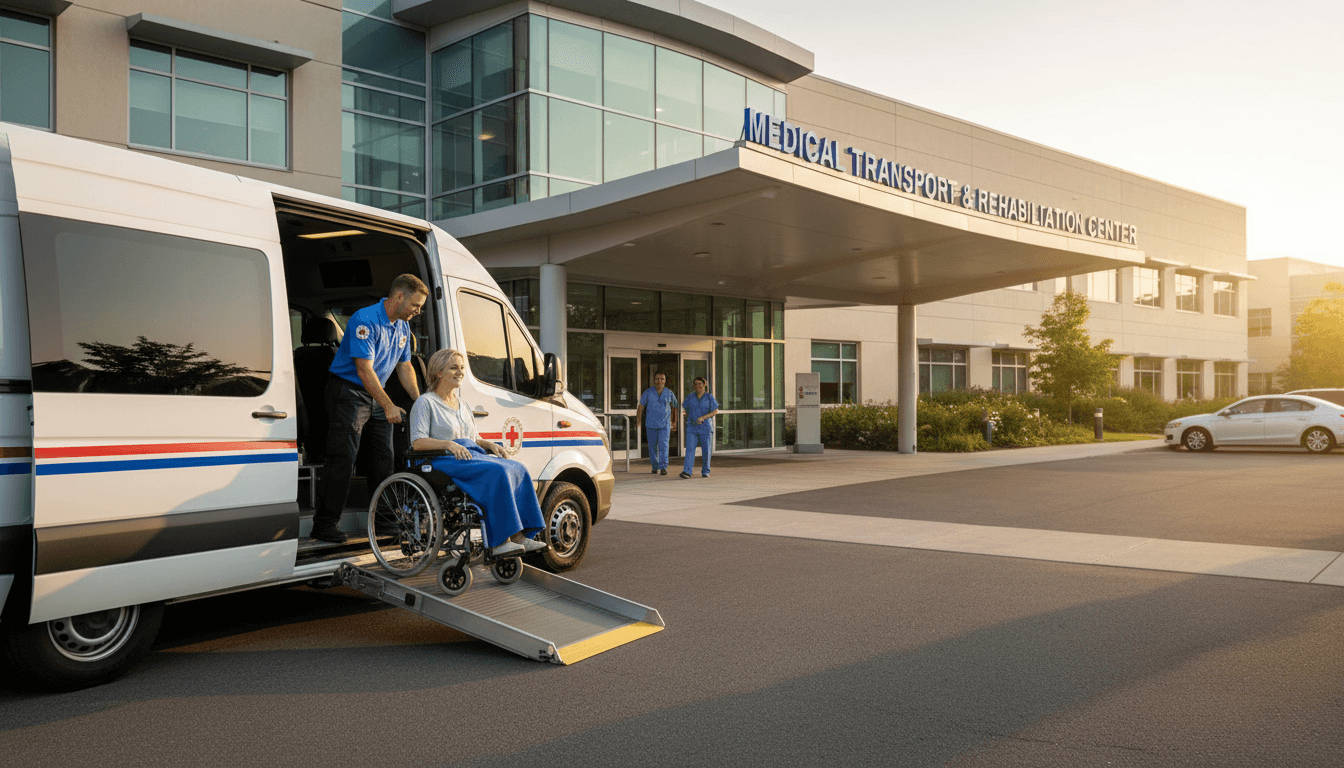

Specialized post-surgery transportation Orange County provides safe, reliable non-emergency medical transport for patients who cannot drive due to physical limitations or medication effects. These door to door services offer wheelchair accessibility and professional assistance to ensure a smooth recovery and timely arrival at follow-up appointments.
Managing a surgical procedure in Orange County is stressful enough without the added burden of coordinating logistics. Many patients are surprised to learn that local hospitals, such as Hoag or UCI Health, will not release them unless a responsible adult is present to oversee their discharge. This requirement is not just a formality; it is a critical safety measure. Anesthesia can impair your judgment and motor skills for hours, making a standard rideshare or a solo drive home a significant risk to your health. In this guide, we will explore the nuances of post-surgery transportation across the OC medical landscape. You will learn about the specific risks of unassisted travel, the vital differences between professional NEMT and common rideshare apps, and how to navigate recovery when you lack a personal driver. Our goal is to ensure your transition from the operating room to your home is seamless and safe.
Why Hospitals in Orange County Require a Responsible Adult for Discharge
Navigating the discharge process at major Orange County medical centers requires more than just a vehicle waiting at the curb. Facilities such as Hoag Hospital, UCI Health, and various outpatient surgery centers across Newport Beach and Irvine enforce a strict "responsible adult" policy for any patient who has undergone sedation or anesthesia. This clinical requirement is often a source of confusion for patients who assume they can simply book a standard rideshare service.
In the eyes of a surgical coordinator, a standard rideshare driver does not qualify as a responsible party. These drivers are strictly "curb to curb" providers; they are not permitted to leave their vehicles, enter the facility to receive discharge instructions, or ensure a patient safely clears the threshold of their home. For the hospital, the risk of a patient experiencing a fall or a cognitive lapse while alone in an unmonitored vehicle is a significant liability. Consequently, many facilities will refuse to release a patient unless a verified caregiver or professional transport provider is present.
A professional hospital discharge transportation service like RideRx Medical Transportation acts as a vital bridge between clinical care and home recovery. Our team provides the specific level of oversight that hospital staff require. This includes meeting the patient inside the facility, acknowledging post-operative care instructions, and providing the physical stability needed to transition from a clinical setting to a private residence. When family members are unavailable due to work or distance, professional NEMT ensures that your post-surgery transportation Orange County plan meets the rigorous safety standards of local medical institutions, preventing delayed discharges or the potential cancellation of your procedure.
The Real Risks of Unassisted Travel After Anesthesia
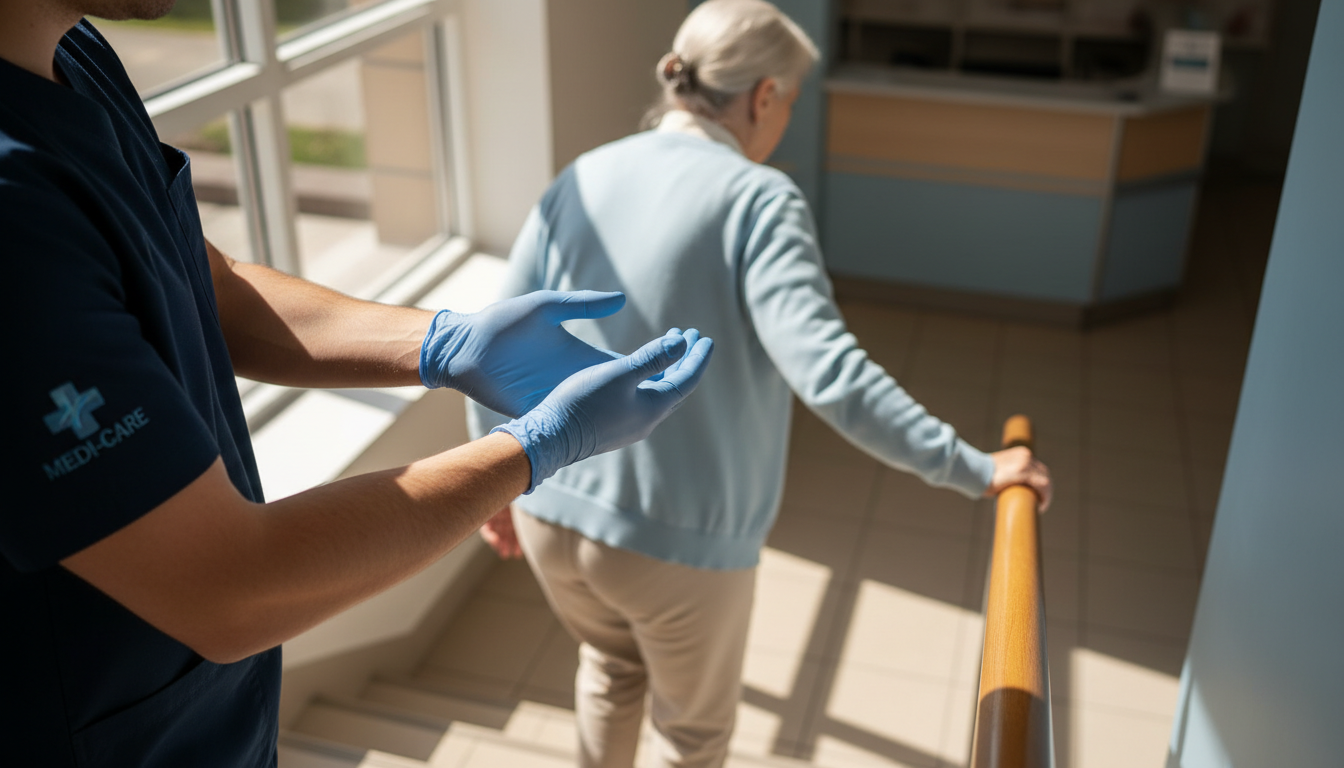
Anesthesia does not simply wear off the moment a patient wakes up in the recovery room. It lingers in the system, significantly affecting cognitive function, reaction times, and physical balance for 24 to 48 hours. During this critical window, a patient may feel mentally alert while still experiencing sudden dizzy spells or profound muscle weakness. Attempting to navigate the walk from a vehicle to a front door without professional assistance significantly increases the risk of a fall, which can lead to surgical site dehiscence or bone fractures.
Beyond balance, post-operative patients face specific vascular risks. Prolonged immobility during the ride home, especially after orthopedic procedures, can contribute to the development of blood clots, or Deep Vein Thrombosis (DVT). A professional wheelchair-accessible transport provider ensures the patient is positioned correctly and reaches their destination efficiently without unnecessary delays.
Unlike standard drivers who remain behind the wheel, RideRx personnel are trained to provide physical stability during the most dangerous part of the trip: the transition from the vehicle to the home. We manage movement across uneven thresholds and provide essential assistance with stairs, which are common obstacles in multi-story Orange County residences. This hands-on support is a core element of safe post-surgery transportation Orange County, ensuring the patient is not just delivered to a curb, but safely settled inside their residence where recovery can actually begin.
Professional NEMT vs Rideshare: Why It Matters for Surgical Recovery
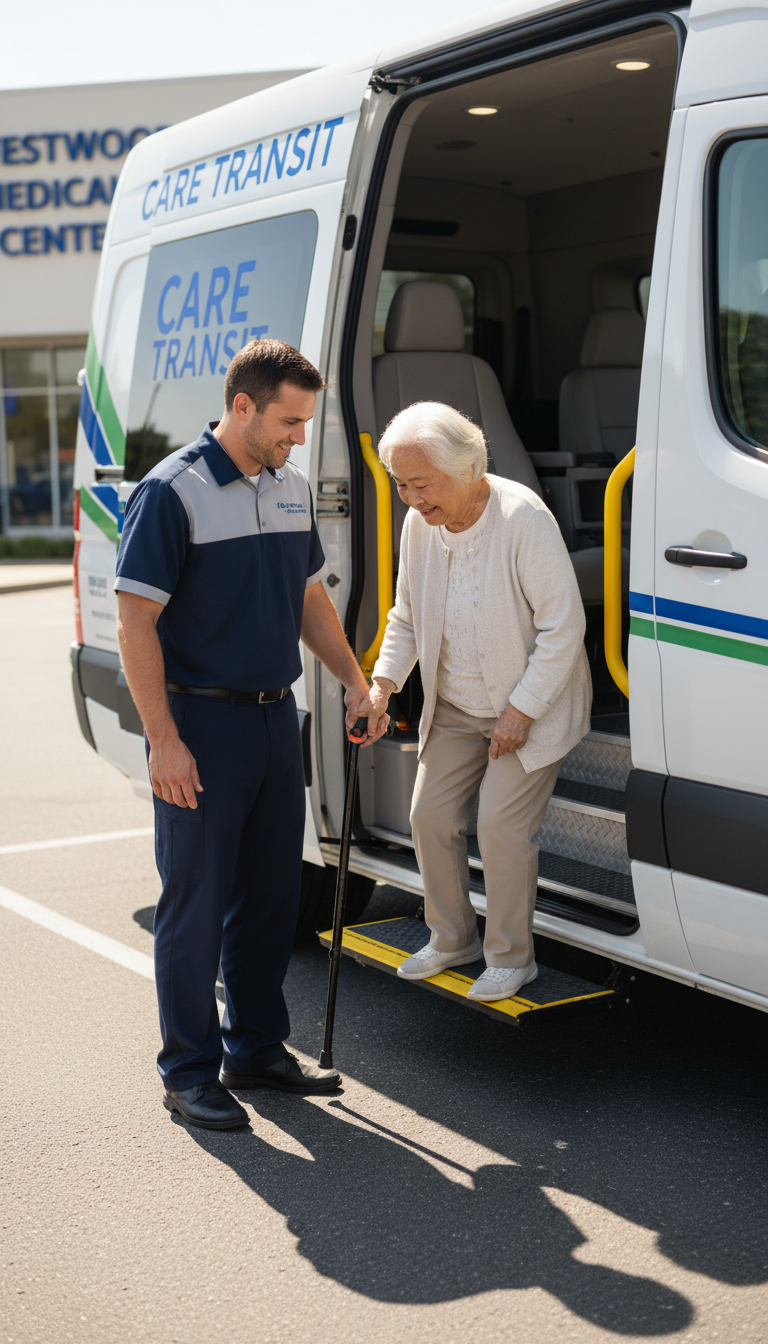
While rideshare apps are convenient for daily commuting, they are fundamentally ill-equipped for post-operative recovery. The primary difference lies in the level of accountability and physical assistance provided. A standard rideshare driver operates on a curb to curb model. They are neither trained nor insured to assist a patient out of the vehicle, let alone help them navigate the walk to their front door. For a patient recovering from a major procedure, being left at the curb is not just an inconvenience; it is a safety hazard.
Feature | Standard Rideshare | RideRx Professional NEMT |
|---|---|---|
Training | General Driving | Patient Transfer & Safety |
Door-through-Door Assistance | No | Yes |
Mobility Equipment Support | Driver Discretion | Guaranteed Accommodation |
Stair and Threshold Assistance | No | Included |
Facility Discharge Acceptance | Often Rejected | Fully Compliant |
Professional NEMT providers like RideRx bridge the gap by offering door through door service. This is particularly critical for private pay medical transportation where the quality of care directly impacts recovery outcomes. Unlike gig economy drivers who may cancel a trip upon seeing a wheelchair or a patient in physical distress, our team is prepared for these specific scenarios. We specialize in both ambulatory and wheelchair-accessible transport, ensuring that every client receives the necessary physical stability to transition from the vehicle to their living room.
In Orange County, where many residences feature multi-story layouts or complex entryways, the ability to provide assistance with stairs is essential. RideRx drivers are trained to manage these transitions safely, ensuring the patient is settled comfortably inside their home before concluding the service. This professional oversight eliminates the risk of a patient being stranded at the curb of their own driveway during a vulnerable stage of their post-surgery transportation Orange County journey.
Navigating Surgery Recovery at Major OC Medical Hubs
Successfully navigating the logistics of major Orange County medical hubs requires more than just a GPS. When you are discharged from the Hoag Health Center in Newport Beach or the UCI Medical Center in Orange, the sheer size and complexity of the campus layouts can be overwhelming for those unfamiliar with them. National brokers often dispatch drivers from outside the area who struggle to locate specific discharge bays or outpatient surgery centers in Irvine and Costa Mesa, leading to stressful delays at a time when you need rest.
RideRx operates with a granular understanding of local geography and infrastructure. We account for the specific challenges of coastal Orange County, such as the congested corridors of the 55 freeway and the stop and go pace of Pacific Coast Highway. These local variables are critical when planning hospital discharge transportation, as prolonged time in a vehicle can increase post-operative discomfort.
Our drivers are well-versed in the parking nuances of Newport Beach and the intricate loading zones of Irvine’s medical districts. This specialized knowledge ensures that your private pay medical transportation experience is seamless. By choosing a provider that understands the local terrain, you ensure your post-surgery transportation Orange County plan avoids the common pitfalls of traffic bottlenecks and facility confusion, allowing you to focus entirely on your recovery.
Specialized Support for Orthopedic and Mobility Procedures
Orthopedic recoveries, such as total hip replacements or spinal fusions, present unique physical hurdles that standard vehicles simply cannot accommodate. After these procedures, patients are often under strict precautions that limit how much they can bend at the waist or flex their knees. Trying to lower oneself into the cramped backseat of a compact car is not only agonizing but can compromise the surgical repair. Specialized wheelchair-accessible transport offers the clearance and entry height necessary to keep the body in a safe, neutral position during the journey.
The challenge continues once the vehicle reaches your residence. In many Orange County neighborhoods, from the vertical luxury apartments in Irvine to multi-level condos in Costa Mesa, the front door is rarely at street level. A patient recovering from a knee procedure cannot safely navigate a flight of stairs while managing a walker or crutches, especially while still feeling the lingering effects of nerve blocks.
RideRx provides essential physical stability during this critical transition. Our team is trained to assist patients from the hospital wheelchair into our specialized vehicles and, more importantly, all the way inside the home. By offering hands-on assistance with stairs and high thresholds, we ensure that private pay medical transportation serves as a reliable component of your post-surgery transportation Orange County strategy, moving you safely from the surgical suite to the comfort of your own bed.
What to Do if You Have No One to Drive You Home After Surgery

Finding yourself without a family member or friend to provide a ride home does not have to result in a cancelled procedure. Many solo seniors and individuals with family members working full time rely on professional services to bridge this gap. If you lack a designated driver, follow these steps to ensure a compliant and safe post-surgery transportation Orange County plan:
Notify your surgical coordinator during the pre-operative consultation. Discussing your plan early allows the medical team to review the credentials of your transport provider and prevents last-minute discharge delays.
Confirm that the facility recognizes a professional NEMT service as a responsible party. Hospitals like Hoag and UCI typically accept hospital discharge transportation providers who offer door-through-door care, as they fulfill the safety requirements that a standard rideshare cannot.
Schedule your ride with RideRx at least 48 hours before your appointment. Early booking guarantees availability and allows us to note specific details about your home layout, such as the presence of stairs or narrow hallways that may require additional wheelchair-accessible transport support.
This proactive approach ensures you are not left scrambling on the day of your surgery. By utilizing private pay medical transportation, you secure a professional who stays with you until you are safely across your threshold. This service provides the critical physical stability and professional oversight that solo patients need during the first few hours of their recovery.
Cost and Insurance Considerations for Post-Surgical Transport
Financing medical transit is a primary concern for patients finalizing their post-operative care plans in Southern California. It is important to understand that standard Medicare Part B typically restricts coverage to emergency ambulance services where life-saving intervention is required. This limitation often leaves a gap for patients needing reliable hospital discharge transportation to a private residence.
In Orange County, many residents utilize Medicare Advantage plans or private insurance policies that offer more flexibility. Several specialized Medicare Advantage providers in the Newport Beach and Irvine areas have begun including NEMT benefits as part of their supplemental coverage. These plans recognize that professional transit reduces the high cost of hospital readmissions caused by post-operative accidents. Patients should review their Evidence of Coverage (EOC) document or contact their plan coordinator to verify if non-emergency trips are a covered benefit under their specific policy.
When insurance does not cover the trip, private pay medical transportation remains a necessary investment in long-term recovery. The out of pocket expense of a professional wheelchair-accessible transport provider is minimal when compared to the physical and financial toll of a post-surgical fall or a compromised incision. Securing professional assistance to manage stairs and home entry ensures your post-surgery transportation Orange County plan protects the integrity of your procedure and prevents the complications associated with unassisted travel.
Recovering from surgery in Orange County requires careful planning, especially when it comes to safe travel. Prioritizing your comfort and mobility during this time is essential for a smooth healing process. While family and friends are often available, specialized assistance ensures that every safety protocol is followed. If you want expert help navigating your post-operative needs, you can learn more about our dedicated team and how we support patients throughout their recovery journey. Our goal is to provide a reliable, stress-free experience for everyone involved.