To help an aging parent stop driving medical transportation Orange County services provide a safe and reliable way for seniors to reach appointments while maintaining their independence. Caregivers can facilitate this change by initiating gentle conversations about safety and introducing professional transit services that specialize in senior care.
Watching an aging parent navigate the congested arteries of Orange County can be a source of constant anxiety for any family member. While the car represents a lifetime of independence, declining reflexes or vision can turn a routine trip to the doctor into a high risk endeavor. Transitioning away from the driver’s seat is a delicate process that requires more than just taking away the keys; it necessitates a reliable, dignified alternative that ensures medical needs remain a priority. In this guide, we will explore how to identify the warning signs of unsafe driving and apply the 40/70 rule to start an empathetic conversation. You will also learn why standard rideshare apps often fail seniors, how to bridge the local mobility gap, and how professional medical transportation serves as a sophisticated solution for maintaining health and autonomy in Southern California.
Recognizing the Warning Signs: When Driving in Orange County Becomes Unsafe

Realizing that a parent is no longer safe behind the wheel is a heavy emotional burden for any family. In Southern California, where a car is often seen as a prerequisite for independence, suggesting that an aging parent stop driving medical transportation Orange County depends on can feel like an act of betrayal. However, the unique density of our local traffic demands a high cognitive load and rapid reflexes. The transition from being a confident driver to requiring senior transportation services often manifests in subtle, location-specific ways.
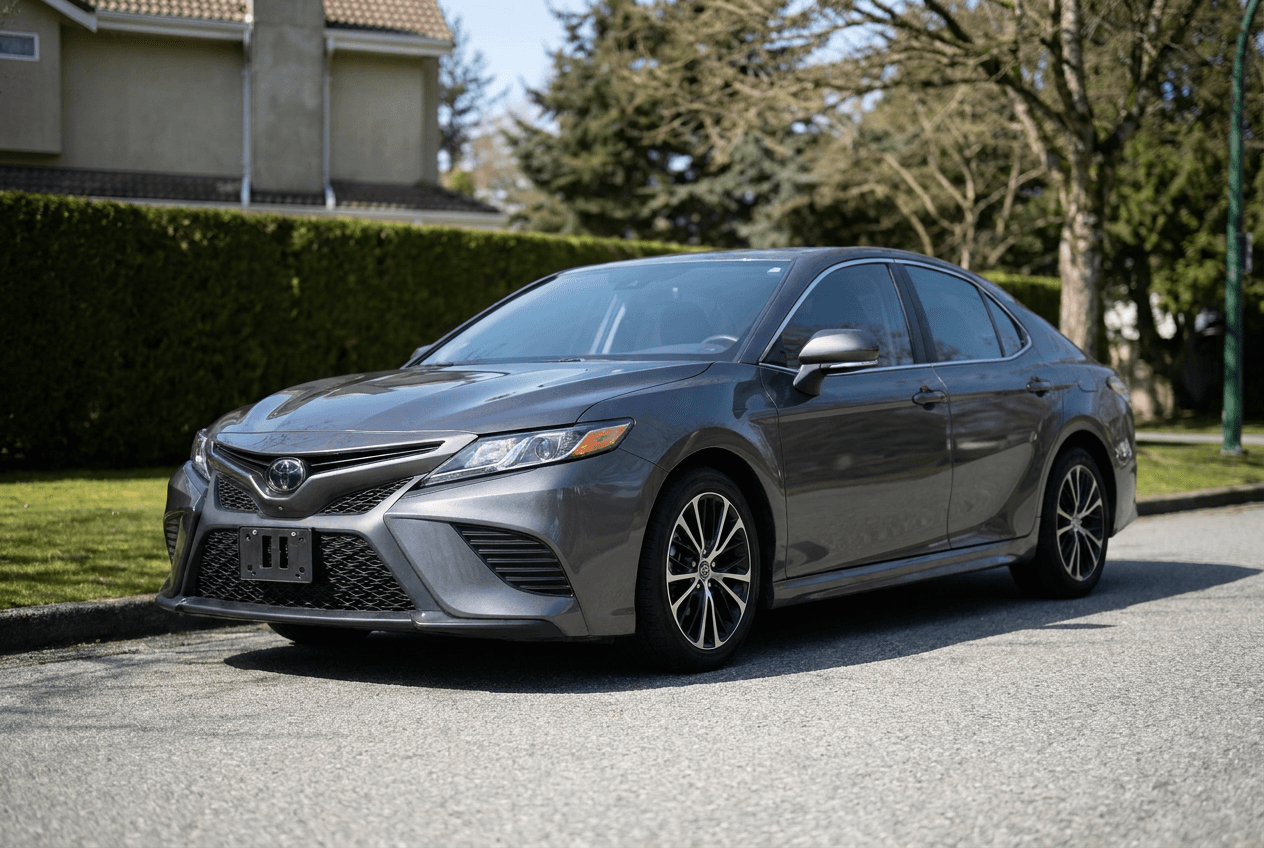
Watch for signs tailored to the local landscape. An aging parent might begin avoiding the 405 or I-5 entirely, even during off-peak hours, due to the high-speed precision required for merging. They may become disoriented on familiar Newport Beach surface streets or struggle to navigate the complex, multi-lane intersections in Irvine. Physical indicators are equally telling. Look for new, unexplained dents or paint scrapes on the vehicle, particularly on the side mirrors or bumpers. These often suggest a loss of spatial awareness during parking or lane changes in tight coastal parking lots.
It is vital to distinguish between normal aging and a dangerous trend. Occasional forgetfulness is common, but getting lost on the way to a decades-old physical therapy office or a routine appointment at Hoag Hospital is a red flag. If a parent exhibits slow reaction times, such as delayed braking at a traffic light or a failure to notice pedestrians in busy shopping centers, the risk to themselves and others becomes unacceptable. Orange County traffic is notoriously unforgiving; the margin for error is significantly smaller here than in less populated regions. Recognizing these patterns early allows for a proactive shift toward safer alternatives before a preventable accident forces the decision.
The 40 70 Rule: How to Start the Conversation with Empathy
When it becomes clear that it is time to help an aging parent stop driving medical transportation Orange County families often find themselves at a crossroads. The transition is most successful when you follow the 40/70 Rule. This guideline suggests that by the time a caregiver is 40 and a parent is 70, conversations about future mobility should already be underway. Rather than waiting for a safety crisis or a stressful incident on the 55 freeway, proactive families treat this as an ongoing dialogue.
Instead of a single, high pressure intervention, aim for a series of small, casual discussions over time. You might bring up the topic after a particularly busy day of traffic in Newport Beach, noting how much more aggressive local drivers have become. Use "I" statements to center the conversation on your feelings rather than their limitations. For example, saying, "I feel anxious when I think about you navigating these busy intersections during rush hour," is far more effective than telling them they are becoming a hazard. This approach reduces defensiveness and helps them see your perspective as a concerned partner in their well being.
The primary goal is to frame senior transportation services as a tool for autonomy. Most seniors fear that giving up their keys means being "grounded" at home. Shift the narrative by highlighting how professional transport allows them to maintain their social and medical schedules without the physical toll of driving. Explain that having private pay medical transportation ready for specialized appointments at Hoag or UCI Medical Center is a premium convenience. By focusing on the quality of the journey and the expertise of the driver, you help your parent see this change as a lifestyle upgrade that preserves their freedom in the long run.
Why Standard Rideshares and Public Transit Often Fall Short for Medical Needs
Once the decision is made to help an aging parent stop driving medical transportation Orange County families naturally look toward the most convenient digital solutions. Apps like Uber and Lyft are efficient for a quick trip to South Coast Plaza, but they are fundamentally ill-equipped for the complexities of medical transit. Rideshare drivers are gig economy contractors, not trained caregivers. They are strictly prohibited by company policy from providing physical assistance, which means they cannot help a patient navigate stairs, move from a bedroom to the vehicle, or secure a wheelchair safely. A driver may pull away if a patient is not at the curb within minutes, a common occurrence for those recovering from surgery or finishing a taxing dialysis session.
Public transit through the OCTA bus system presents different barriers. While cost-effective, it requires the passenger to reach a designated stop, often involving long walks on hot Southern California afternoons. For a senior with limited mobility, the walk from a Newport Beach bus stop to a doctor’s office can be physically exhausting before the appointment even begins. Furthermore, buses operate on rigid schedules that do not account for medical delays, leaving vulnerable patients waiting on sidewalk benches.
Service Feature | Standard Rideshare | Public Transit | RideRx NEMT |
|---|---|---|---|
Door-Through-Door Care | No | No | Yes |
Stair Assistance | No | No | Yes |
Certified Wheelchair Safety | No | Limited | Yes |
Post-Treatment Waiting | No | No | Yes |
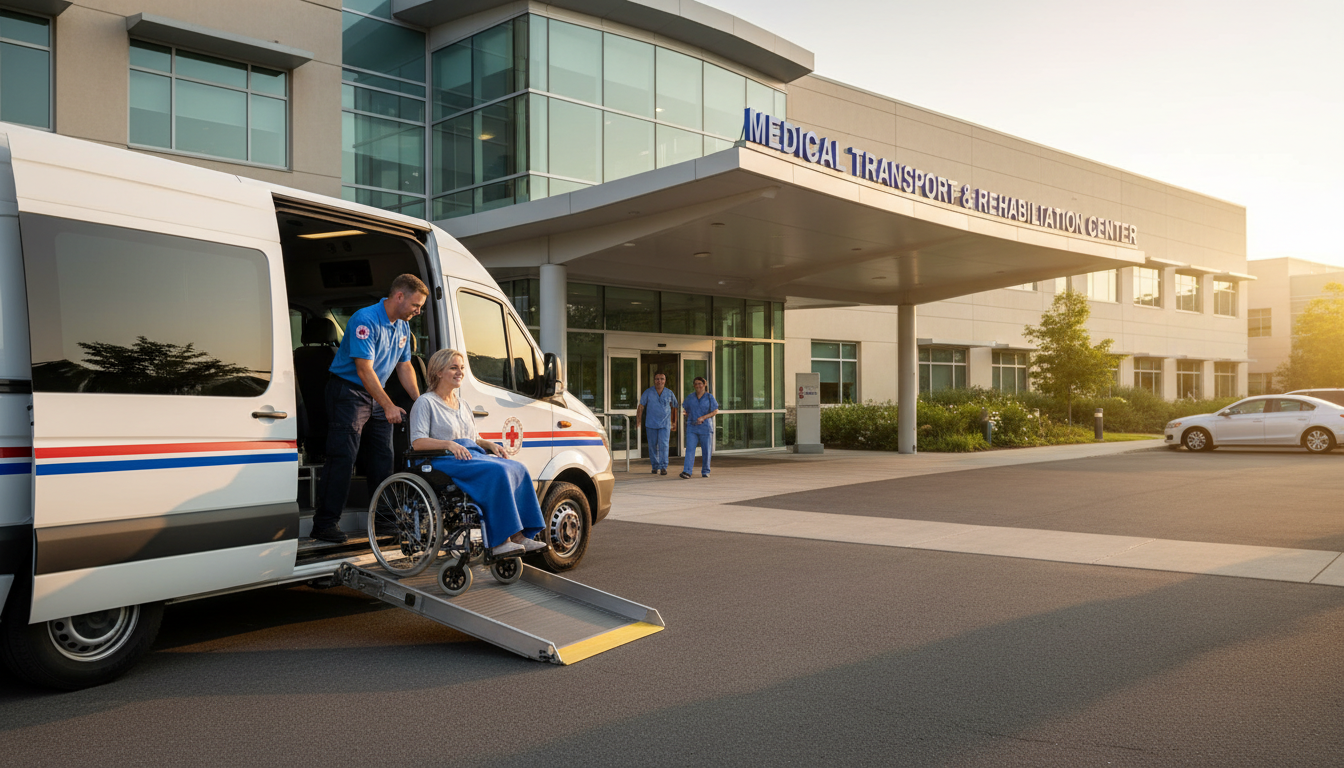
A specialized service provides senior transportation services that bridge this gap. Unlike generic options, our drivers provide wheelchair-accessible rides in Irvine that include door through door support. This means staying with the patient until they are safely checked into their clinic or settled back in their home. For those managing recurring treatments, this level of professional oversight is not a luxury; it is a clinical necessity that ensures the safety of the patient and the peace of mind of the caregiver.
The Orange County Senior Mobility Gap: Navigating Local Resources
Orange County offers several public initiatives designed to assist older adults, but a significant mobility gap exists for those with specific medical requirements. Programs like the OC Go Senior Mobility Program, which is funded by Measure M, provide essential transit within certain city limits. However, these services are frequently restricted to local municipal boundaries and often require reservations several days in advance. For a patient in Laguna Beach who needs a last minute adjustment for a physical therapy appointment in Irvine, these rigid schedules can be a major hurdle. Similarly, Metrolink and OCTA fixed routes provide regional access, but they expect the passenger to be fully mobile and capable of navigating stations independently.
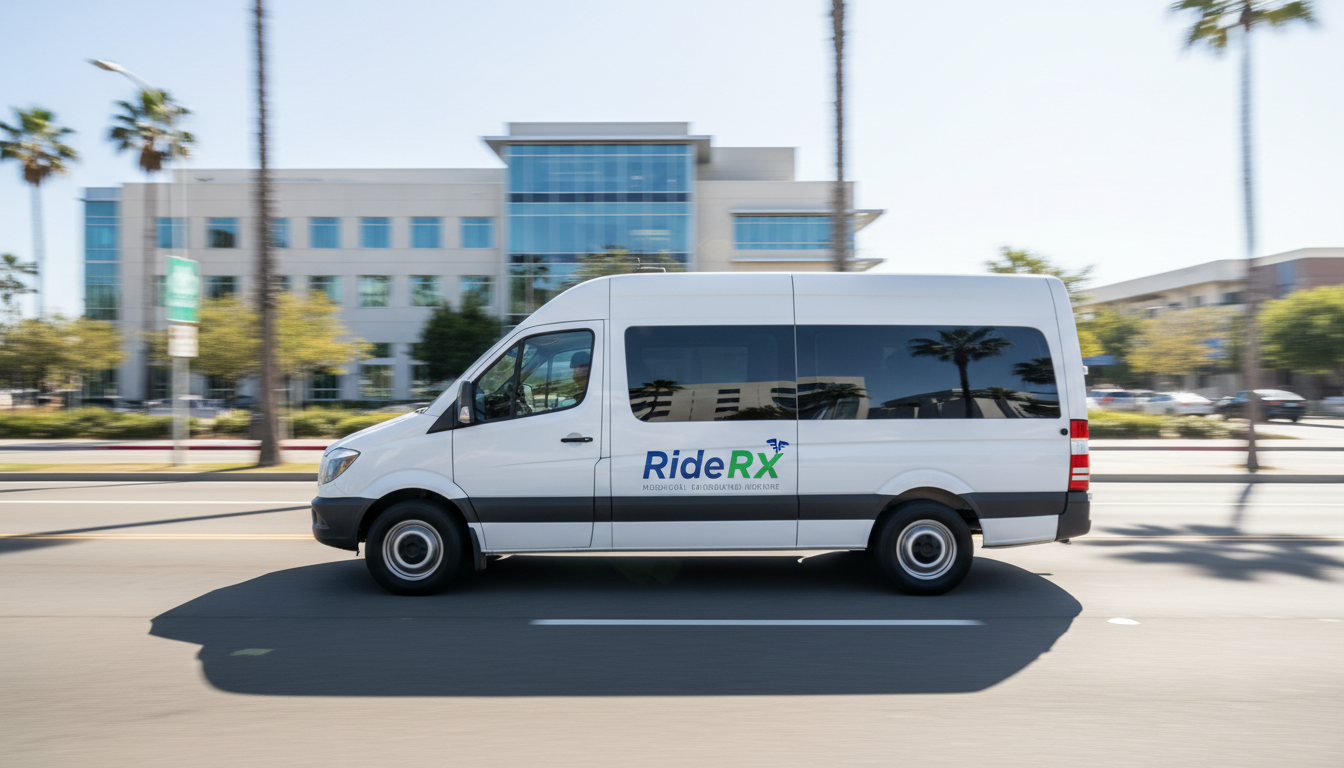
When you help an aging parent stop driving medical transportation Orange County options must go beyond the curb. Public programs rarely account for the physical challenges of navigating a multi-level medical complex or providing help with stairs at a private residence. RideRx fills this void by offering senior transportation services that prioritize the individual's physical safety over a bus schedule. We specialize in the high-touch needs that public transit ignores, such as wheelchair-accessible rides in Irvine and bedside to exam room assistance. For families seeking private pay medical transportation in Newport Beach, we provide a level of reliability and physical support that government-funded programs simply are not staffed to deliver.
Making the Transition: Introducing NEMT as a Personal Chauffeur Service
Transitioning away from the driver’s seat is often more about the loss of status than the loss of mobility. When you help an aging parent stop driving medical transportation Orange County families find that the language used is just as important as the data presented. Instead of introducing RideRx as a clinical necessity, frame it as a lifestyle upgrade. Describe the transition as moving toward a concierge health transit or a private car service tailored specifically to their schedule. This shifts the perception from specialized medical transport to a premium, personal chauffeur experience that prioritizes their comfort.
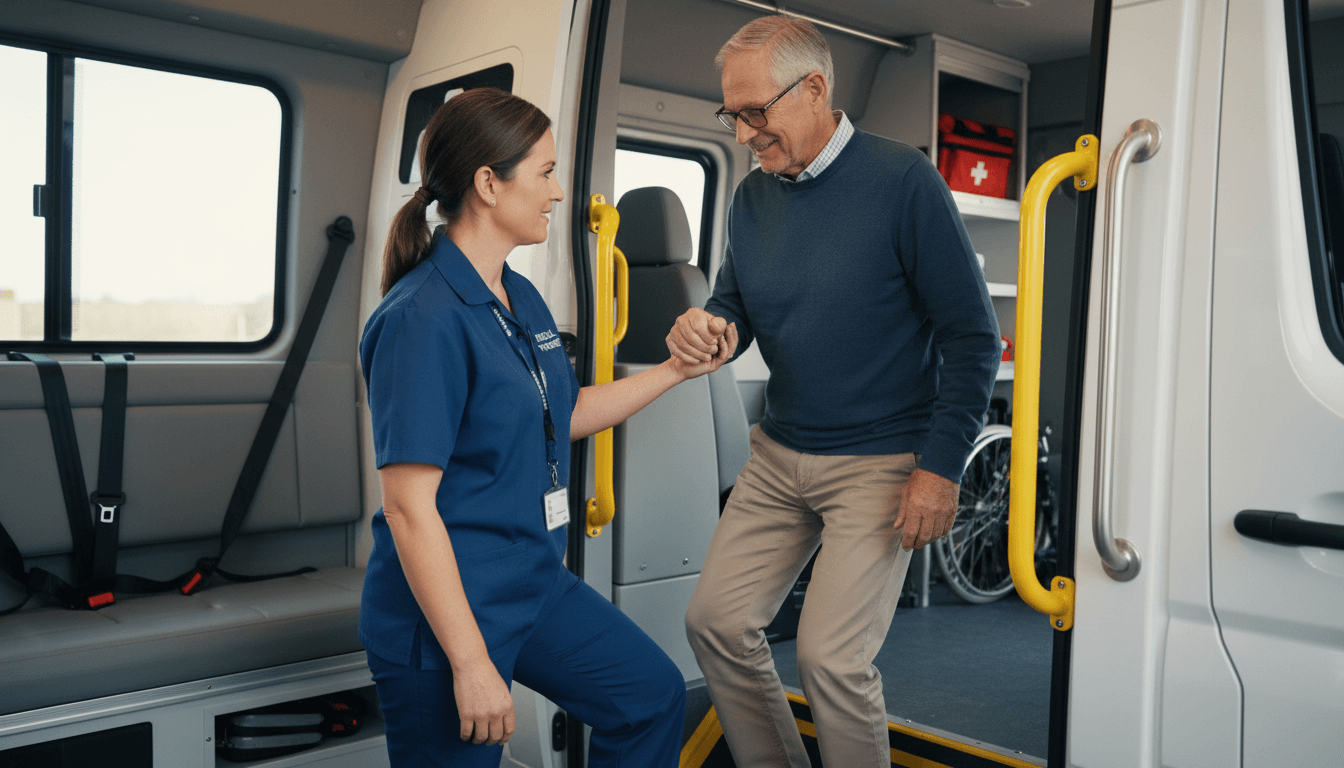
The value lies in the specialized knowledge our team brings to every trip. While a standard driver might get lost in the sprawling parking structures of Hoag Hospital or the UCI Medical Center, our drivers understand the exact layouts of these local facilities. They do not simply drop a passenger at the curb. We provide essential assistance with stairs and facility transitions, ensuring that your parent is escorted through the lobby and directly into their exam room. This high level of physical support is often the deciding factor for families seeking private pay medical transportation.
Consider highlighting these specific benefits during your discussion:
Professional navigation of complex medical campuses like Hoag in Newport Beach.
Direct physical support for those requiring wheelchair-accessible rides in Irvine or neighboring coastal cities.
Hands on help with stairs and residential thresholds that general senior transportation services often overlook.
By emphasizing the reliability and white glove nature of the service, you transform a difficult safety conversation into a plan for enhanced comfort and personal care.
Logistics and Coverage: Does Medicare or Insurance Pay for Transportation in California?

Navigating the financial logistics of senior care is often the final hurdle when coordinating a transition to professional transit. As you help an aging parent stop driving medical transportation Orange County families encounter frequent questions regarding insurance and government assistance. It is a common misconception that traditional Medicare, specifically Parts A and B, covers non-emergency transit. Generally, original Medicare only covers ambulance services in emergency situations or when a patient’s health would be significantly endangered by any other means of transport.
However, several avenues for coverage exist within California. Many Medicare Advantage plans, also known as Part C, now include Medicare transportation coverage as a supplemental benefit for chronic conditions or routine doctor visits. Similarly, Medi-Cal provides transportation benefits for eligible residents who have a documented medical necessity that prevents them from using standard public transit. These government funded options are excellent resources, though they often involve administrative lead times and specific provider networks that may limit flexibility.
For many families in Newport Beach and Laguna Beach, the private pay medical transportation model is the preferred choice for its reliability and speed. Private pay bypasses the red tape of insurance authorizations, ensuring that a driver is guaranteed to arrive at a precise time, regardless of how long a dialysis session or surgical follow up lasts. This model allows for the most personalized care, including the essential assistance with stairs and facility transitions that define our senior transportation services. By opting for private pay, families gain immediate access to wheelchair-accessible rides in Irvine and surrounding areas without waiting for a third party to approve the route or the level of physical support required for a safe journey.