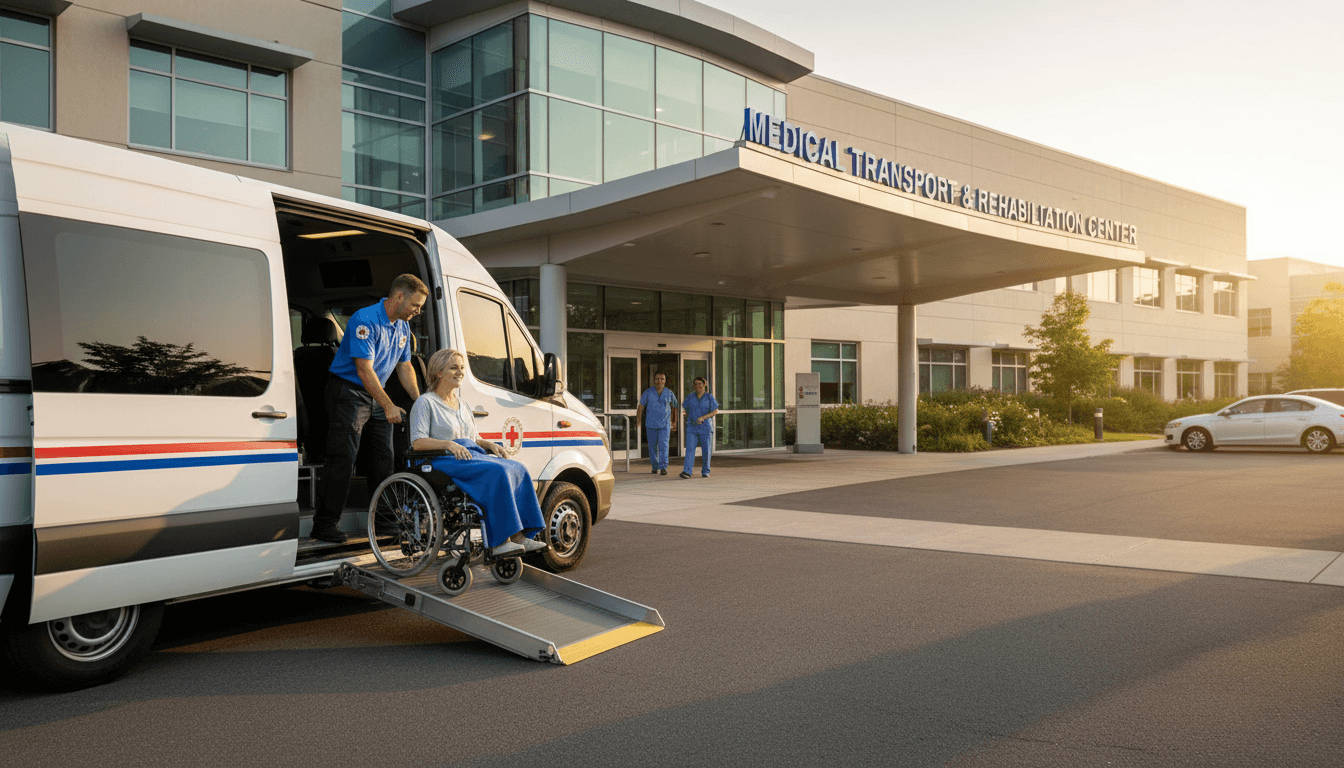

Specialized transportation for dementia patients Orange County includes the Senior Non-Emergency Medical Transportation (SNEMT) program and the Abrazar Senior Mobility Program. These services offer door-to-door assistance and non-emergency medical transit designed to keep seniors safe while providing caregivers with reliable travel alternatives.
Navigating the busy streets of Orange County is challenging enough, but for families managing dementia, a simple trip to the neurologist can quickly turn into a source of immense stress and physical risk. Standard travel options often fail to account for the agitation, confusion, and safety requirements unique to memory care patients; this gap in service frequently leads to missed appointments and caregiver burnout. At RideRx Medical Transportation, we understand that every mile requires a specialized touch. In this guide, we will analyze why traditional rideshares fall short, how to handle appointment refusals, and what local resources are available to ensure your loved one remains safe during transit. You will discover the practical benefits of specialized non emergency medical transportation and how professional oversight can transform a difficult journey into a calm, dignified experience.
The Challenge of Dementia and Medical Appointments in Orange County
Caring for a loved one with cognitive impairment in Southern California involves more than managing daily medications; it requires navigating a complex environment that often clashes with the needs of a memory care patient. Families in Newport Beach, Irvine, and Costa Mesa face unique logistical hurdles when scheduling essential medical visits. The heavy congestion on the 405 or the busy surface streets near Newport medical hubs can turn a routine check-up into a source of profound stress for both the caregiver and the patient.
For many seniors, the disruption of their familiar environment triggers agitation, confusion, or wandering behavior. Standard transit options often overlook these behavioral nuances, focusing solely on the mechanics of the trip. Specialized transportation for dementia patients Orange County differs by prioritizing a memory-aware framework. This approach recognizes that the transition from a living room to a vehicle, and eventually into a clinical setting, requires patience and specific de-escalation techniques. Utilizing professional senior transportation services ensures that the journey does not exacerbate symptoms like sundowning or acute anxiety. By bridging the gap between home and the doctor’s office, specialized providers mitigate the physical and emotional toll that often leads to caregiver burnout and patient distress.
Why Standard Rideshare and Public Transit Fall Short for Memory Care
Standard rideshare platforms and public transit systems are built for efficiency and high volume; they are not designed to accommodate the cognitive vulnerabilities of someone with memory loss. Services like Uber or Lyft operate on a strictly curbside-to-curbside model. This creates a dangerous "curbside gap," which is the physical and mental space between the vehicle door and the medical facility entrance. For an individual with Alzheimer’s or dementia, being left at a busy drop-off point in Newport Beach or Irvine can lead to immediate disorientation, panic, or wandering into traffic.
The OC Bus and other mass transit routes require a high degree of executive function, including timing, navigating stops, and managing sensory overload. As cognitive decline progresses, these environments become overwhelming. Furthermore, standard drivers lack training in behavioral management. They are often unprepared to handle "sundowning," a period of increased confusion and agitation that frequently occurs in the late afternoon. If a patient becomes distressed or resistant, a driver without specialized training may react with impatience or confusion, further escalating the patient's anxiety and making future trips even more difficult.
When arranging transportation for dementia patients Orange County caregivers must recognize that the risk of a patient being left alone, even for a few minutes at a facility entrance, is a significant safety liability. Specialized senior transportation services provide door-through-door assistance, ensuring the individual is never left unattended. This level of oversight is essential for those requiring private pay medical transport to guarantee that the hand-off to clinical staff is completed safely. Professional drivers are trained to anticipate cognitive confusion and provide a steady, reassuring presence that standard transit simply cannot offer.
The Benefits of Specialized Non Emergency Medical Transportation (NEMT)
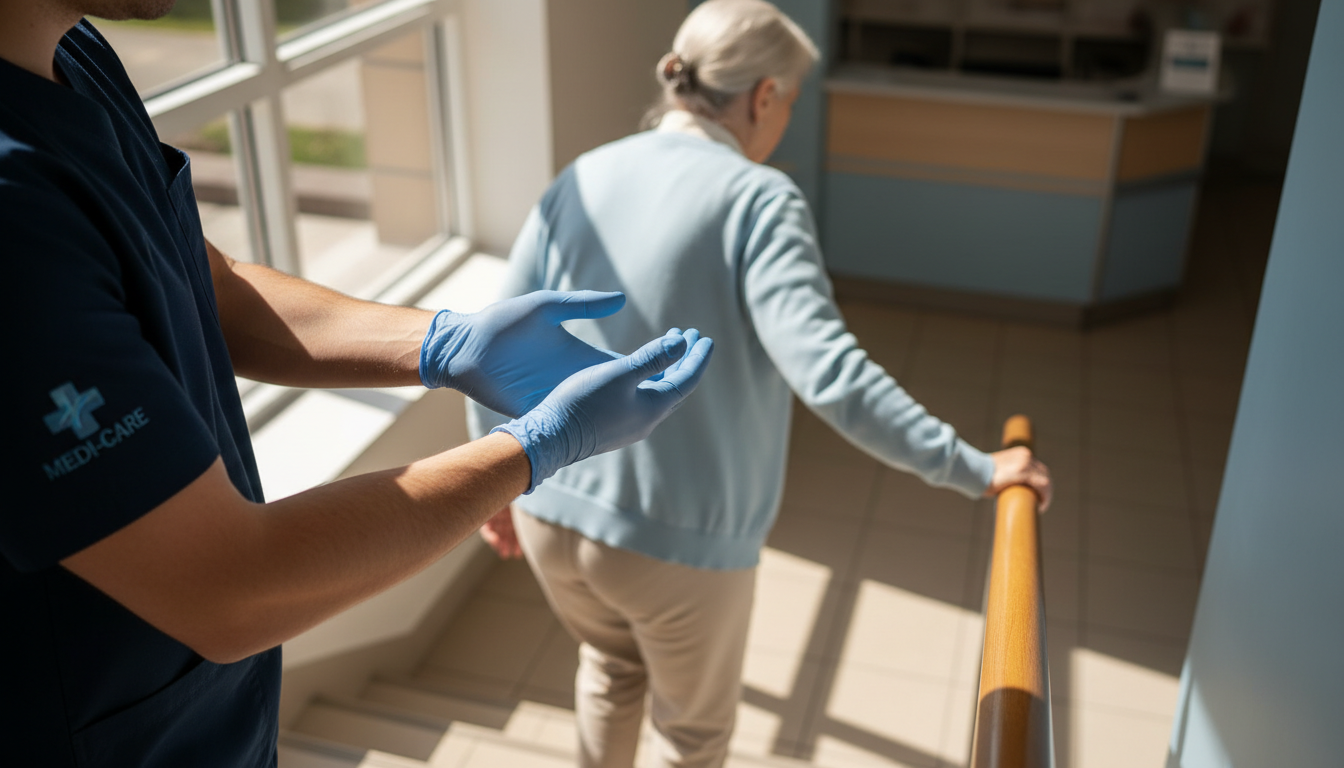
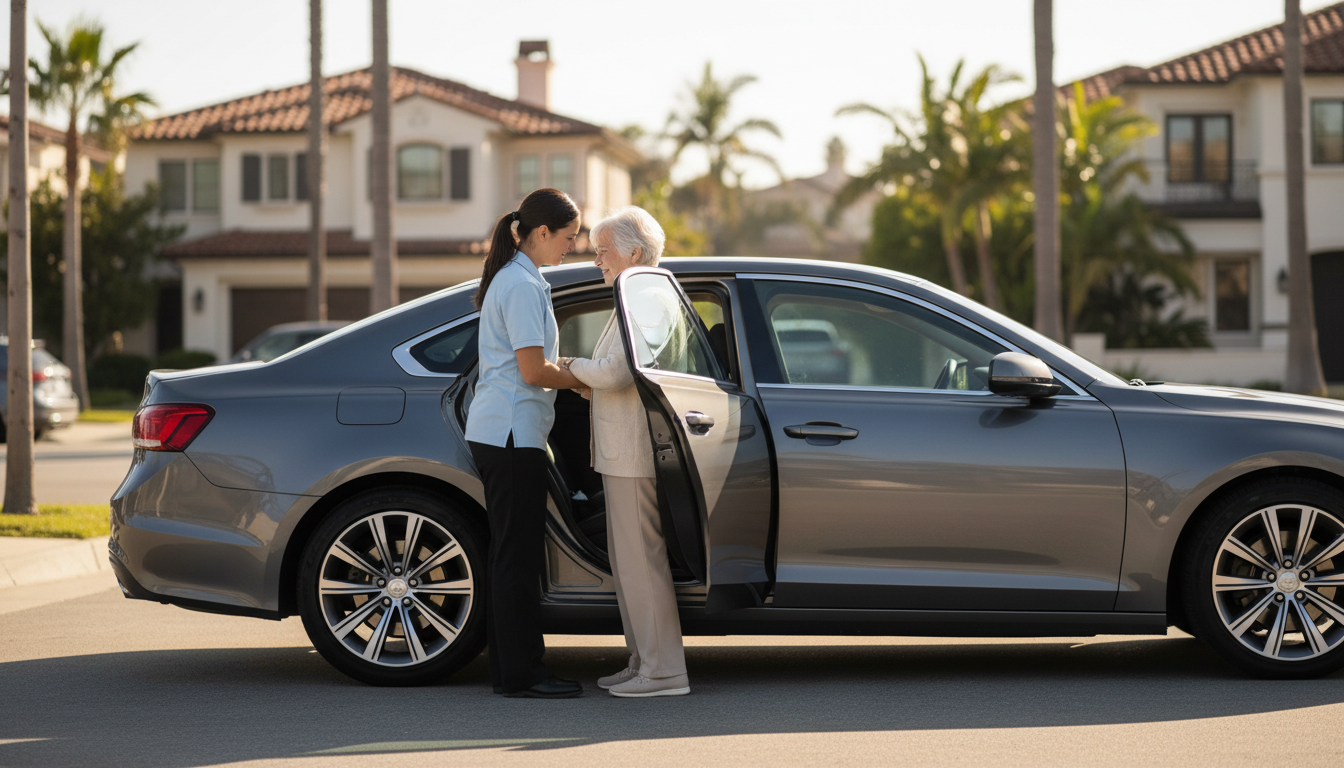
Specialized Non-Emergency Medical Transportation (NEMT) functions as a structured healthcare logistics service designed for those who require more than just a vehicle. For families seeking transportation for dementia patients Orange County, NEMT represents a vital link between clinical requirements and personal safety. Unlike basic services that offer door-to-door transit, which typically stops at the threshold of a residence, RideRx prioritizes a door-through-door model. This ensures that a patient is not merely dropped off at a medical center, but is escorted from their living room, through the facility, and directly into the hands of medical staff.
This distinction is critical for memory care. A patient navigating a complex hospital lobby in Newport Beach or a physical therapy clinic in Costa Mesa faces a significant cognitive load. RideRx drivers are trained to manage these transitions, offering physical support for stairs and steady guidance during facility check-ins. This compassion-first approach reduces the hand-off anxiety that often occurs when a caregiver cannot be present. By utilizing senior transportation services that specialize in cognitive support, families ensure that professional care begins the moment the driver arrives.
Service Feature | Standard Transit | RideRx Specialized NEMT |
|---|---|---|
Pick-up Location | Curbside | Inside the Home |
Mobility Support | Minimal or None | Stair and Wheelchair Assistance |
Drop-off Protocol | Building Entrance | Direct Medical Staff Hand-off |
Driver Expertise | Basic Driving | Memory Care Awareness |
Choosing private pay medical transport allows for a level of consistency and patience that public alternatives often lack. Because dementia patients rely on routine, the specialized NEMT model focuses on creating a calm, predictable environment. Drivers act as an extension of the care team, documenting the successful transition to the clinic and providing peace of mind that the patient is never left to navigate a medical appointment alone.
What to Do When a Dementia Patient Refuses to Go to the Doctor
Resistance to medical appointments is a common hurdle for families managing transportation for dementia patients Orange County. When a loved one refuses to leave the house, the instinctive response is to argue or explain the medical necessity. However, logic often fails when cognitive impairment is present; instead, successful transitions rely on behavioral techniques and environmental cues.
One of the most effective methods for de-escalation is the 90 second rule. If a patient becomes agitated or flatly refuses to move, caregivers should immediately stop the request, step away, and wait for at least 90 seconds. This brief pause allows the patient’s immediate emotional spike to dissipate and provides a cognitive reset. When you re-approach after this interval, do so with a fresh topic or a gentle, redirected suggestion rather than picking up the argument where it left off.
Communication should prioritize comfort over clinical accuracy. Using therapeutic reasoning, sometimes called therapeutic fiblets, can reduce anticipatory anxiety. For example, rather than announcing a doctor’s visit days in advance, keep the details minimal until the last possible moment. Framing the trip as a simple outing for a treat or a routine check on a “felt” physical symptom often meets less resistance than a formal appointment.
The presence of a professional senior transportation services provider also changes the dynamic. A patient who may argue with a spouse or child often responds differently to a uniformed driver and a professional vehicle. This third-party presence can shift the patient’s focus and encourage cooperation through social norms. Utilizing private pay medical transport ensures that the vehicle is non-threatening and the driver is equipped with the patience needed for these delicate moments.
Consider these actionable strategies when resistance occurs:
Avoid using the word “doctor” if it is a known trigger for the individual.
Match the patient's energy with a calm, low-pitched voice.
Use physical touch, such as a gentle hand on the shoulder, only if it is known to be a comfort.
Focus on the destination after the appointment, such as a favorite park in Newport Beach or a local cafe.
Safety Strategies for the Trip: Prepping for a Smooth Ride
Successful transit begins long before the vehicle pulls into a Newport Beach driveway. Proper preparation minimizes the environmental stressors that often lead to agitation during transportation for dementia patients Orange County. Caregivers should assemble a small go-bag containing familiar sensory items, such as a favorite soft sweater, a specific fidget toy, or a cherished photo album. These objects serve as cognitive anchors, providing comfort within the unfamiliar interior of a vehicle.
Effective communication with the provider is the most critical safety step. Document and share specific behavioral triggers with your senior transportation services provider well in advance. If your loved one reacts negatively to talk radio, specific musical genres, or sudden cabin temperature changes, these details allow the driver to curate a soothing environment.
Use this checklist to prepare for a safe journey: - Pack a go-bag with water, a small snack, and a comfort object. - Carry a physical, recent photograph of the patient to assist staff in the event of wandering. - Notify the driver of physical triggers, such as sensitivity to bright sunlight or loud noises. - Ensure the patient is wearing a medical ID bracelet or has emergency contact information in their pocket.
Establishing a relationship with a consistent driver is particularly beneficial for recurring needs like physical therapy or dialysis. Familiarity breeds trust; seeing the same professional face from RideRx each week can significantly lower a patient's baseline anxiety. Utilizing private pay medical transport often allows for this level of personalized scheduling, ensuring that the driver becomes a predictable and calming part of the patient's routine.
Does Medicare or Insurance Cover Dementia Transportation in California?

Effective logistical planning for memory care also requires a clear understanding of financial coverage. Many families begin their search by investigating Medicare transportation options to help offset the costs of recurring visits. It is important to note that traditional Medicare Part B generally restricts NEMT coverage to situations where an ambulance is necessary for emergency transport or when a patient is strictly bedbound and requires specialized monitoring. Routine checkups and appointments for memory care specialists are typically excluded from these traditional federal benefits.
California residents may find more flexibility through certain Medicare Advantage (Part C) plans, which often include supplemental transportation benefits as part of their package. Furthermore, Medi-Cal provides NEMT coverage for individuals who meet specific income requirements and medical necessity criteria, although this often involves a rigorous physician certification process and navigation of state-managed networks.
For families seeking guaranteed reliability and drivers trained in behavioral de-escalation, the private pay medical transport model is often the most effective choice. Public programs frequently involve unpredictable wait times that can trigger anxiety in individuals with cognitive decline. RideRx provides a transparent pricing structure and professional billing for families managing care independently. This approach ensures that transportation for dementia patients Orange County remains a high-quality, professional experience without the scheduling constraints often associated with state-funded programs.
Local Orange County Resources for Seniors with Memory Loss
Residents navigating cognitive decline can access local support through the Orange County Office on Aging. This agency coordinates the Senior Non-Emergency Medical Transportation (SNEMT) program, which provides subsidized rides for eligible seniors. While these public programs offer essential support, they often involve strict eligibility requirements and restrictive service boundaries. For families in Newport Beach or Laguna Beach, the wait times for public paratransit can be unpredictable; this often leads to increased agitation for those with memory loss.
RideRx serves as a premium alternative for families needing reliable senior transportation services. By choosing private pay medical transport, caregivers bypass the scheduling constraints and geographic limitations of public programs. This ensures consistent transportation for dementia patients Orange County families can depend on for timely arrivals at coastal medical centers and specialized clinics.
Ensuring your loved one with dementia travels safely involves more than just getting from point A to point B. It requires patience, specialized training, and a deep understanding of memory care needs. While local options exist, the right choice prioritizes emotional well-being alongside physical security. If you want expert help navigating these unique challenges, choosing professional Senior Transport ensures a compassionate experience every time. Our team is here to provide the reliable support your family needs to maintain peace of mind during every trip.