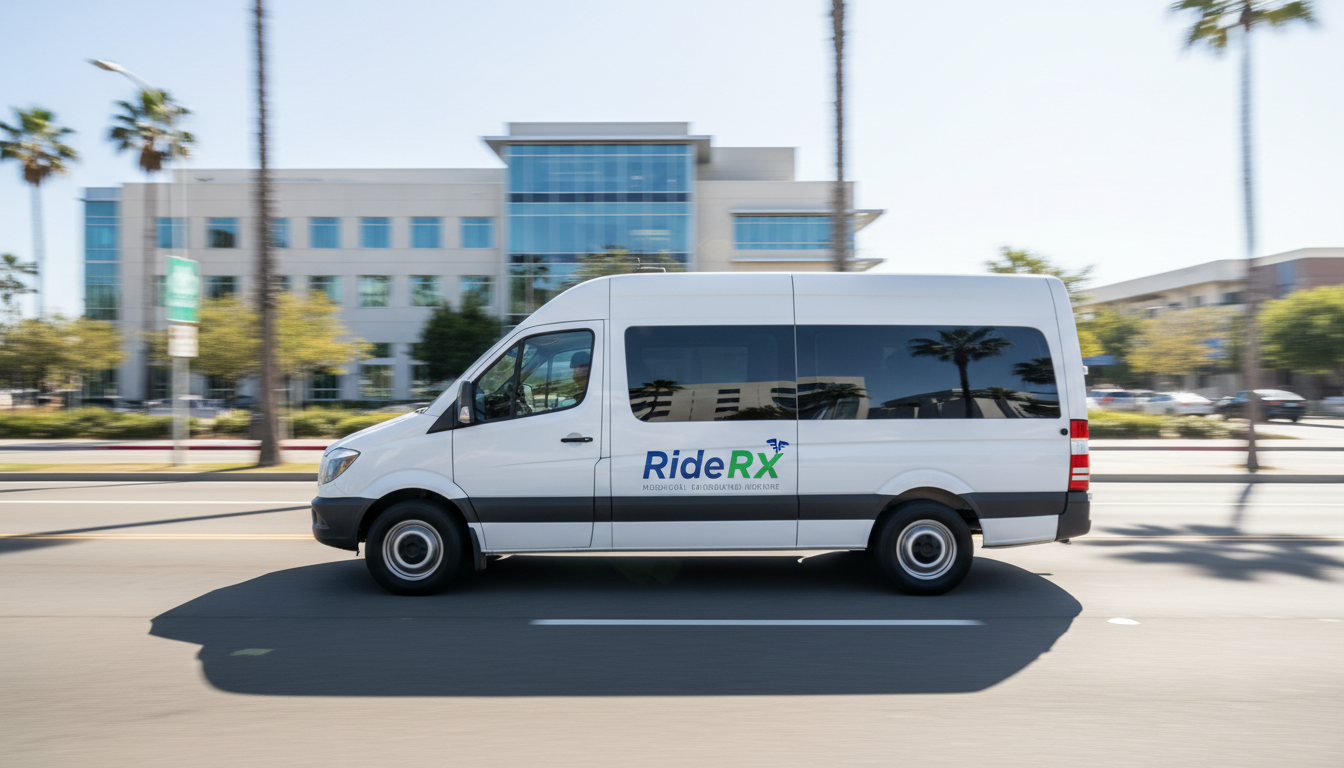
Cancer patients can access reliable transportation for cancer patients Orange County through free programs like the American Cancer Society's Road To Recovery. Organizations such as Breast Cancer Angels and Care 22 also provide gas cards, bus passes, or specialized medical transit to ensure safe travel to chemotherapy and radiation appointments.
Managing a cancer diagnosis is already an overwhelming burden; however, navigating the gridlock of Orange County for daily radiation or chemotherapy sessions adds a physical strain that many patients cannot safely endure. The exhaustion following treatment often makes operating a vehicle risky for both the patient and others on the road. Ensuring consistent attendance at these medical appointments is vital for the success of your recovery. This guide explores the logistical challenges of cancer care in Southern California. You will learn about the critical differences between professional non-emergency medical transportation and volunteer services; furthermore, we will discuss insurance coverage and explain why specialized support surpasses standard rideshare options. By understanding your transportation alternatives, you can focus entirely on your healing process while we handle the complexities of the commute.
The Challenge of Getting to Cancer Treatments in Orange County

A cancer diagnosis immediately shifts your world, bringing an immense physical and emotional burden that extends far beyond the clinical setting. The exhaustion inherent in the disease is often compounded by the realization that treatment requires a relentless schedule of appointments. Orange County is home to premier oncology facilities, including City of Hope and UCI Health, yet the logistics of reaching these centers can become a significant barrier to care.
Navigating heavy traffic through Newport Beach, Irvine, and Costa Mesa is challenging for a healthy driver; for a patient undergoing treatment, it can feel nearly impossible. While many residents initially rely on family or friends for rides, a standard radiation protocol often requires daily trips for several weeks. This recurring demand frequently exhausts even the strongest personal support networks as caregivers struggle to balance their own work and family obligations against the patient's medical needs.
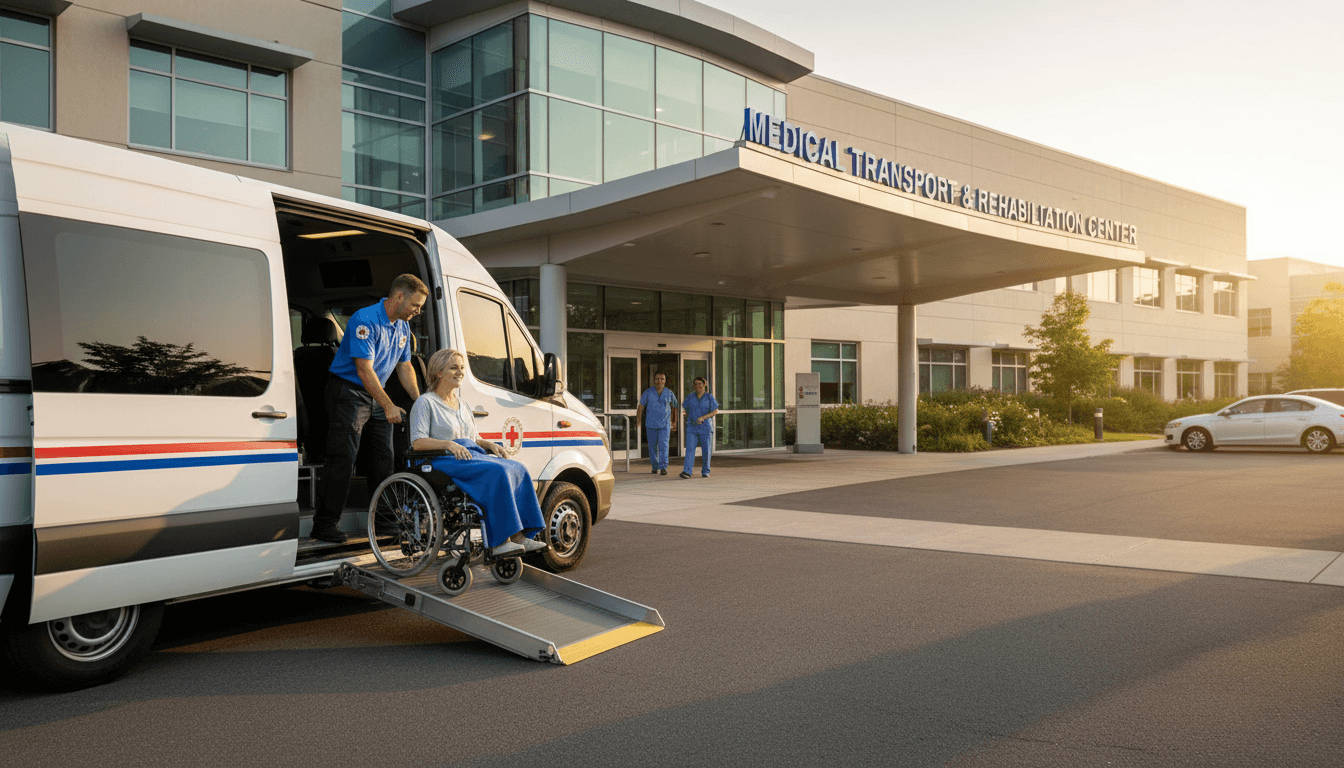
When the frequency of weekly chemotherapy or daily radiation becomes too much for a personal vehicle or a volunteer schedule, professional private pay medical transportation serves as a necessary bridge. Securing reliable transportation for cancer patients Orange County ensures that the focus remains on recovery rather than the stress of the commute. Whether a patient requires wheelchair transportation in Irvine or ambulatory support in Costa Mesa, professional NEMT providers offer the consistency and specialized care required to maintain a treatment plan without interruption.
Why Driving Yourself to Chemotherapy or Radiation Can Be Risky
Patients often ask if they can drive themselves to radiation or chemotherapy appointments. While maintaining independence is a priority for many, the physiological impact of these treatments makes operating a vehicle a significant safety risk. Oncology treatments are designed to be aggressive, and their side effects frequently impair the motor skills and cognitive function necessary for safe driving.
One of the most pervasive issues is "chemo brain," a form of cognitive impairment that affects focus and reaction times. When combined with the profound fatigue that typically follows radiation, a patient may struggle to navigate the high-traffic corridors of Orange County safely. Furthermore, many chemotherapy drugs cause peripheral neuropathy, which results in numbness or tingling in the hands and feet. This loss of sensation can make it difficult to accurately feel the pressure on a brake or gas pedal. Sudden, intense nausea can also occur without warning, creating a dangerous situation for anyone behind the wheel.
Many local oncology providers require a designated driver for specific infusions because of these unpredictable reactions. Opting for professional hospital transportation provides a level of security that driving yourself cannot offer. A trained driver monitors the patient's condition during the ride back to Newport Beach or surrounding areas, watching for signs of acute distress. This professional oversight allows the patient to focus entirely on recovery while ensuring that transportation for cancer patients Orange County remains a safe, supervised part of the care plan.
Professional NEMT vs Volunteer Services: Which Is Right for You?
When investigating cancer transportation assistance, patients often start with volunteer programs or public paratransit. The American Cancer Society’s Road to Recovery is a notable resource for those seeking free rides for cancer patients. This program relies on volunteer drivers who use their personal vehicles to assist patients. While it is an excellent cost-saving measure, it operates under significant constraints. Volunteers frequently face shortages, and these programs generally require the patient to be fully ambulatory, meaning they must be able to walk to the vehicle and get in and out without physical aid.
Public options like OCTA ACCESS provide paratransit for residents with disabilities, but they often utilize shared-ride models with broad pickup windows. This can lead to long wait times and multiple stops, which is taxing for someone who has just completed an exhausting radiation session. For those who require a higher level of reliability and physical support, private pay medical transportation offers a different standard of care. Unlike volunteer programs, private services provide a dedicated vehicle at a specific time, ensuring that treatment schedules are never compromised by driver availability.
Feature | Volunteer Services (e.g., Road to Recovery) | Public Paratransit (e.g., OCTA ACCESS) | Private NEMT (RideRx) |
|---|---|---|---|
Cost | Free | Low-cost | Private Pay |
Availability | Subject to volunteer schedule | Prescheduled; shared-ride | Guaranteed Scheduling |
Mobility | Ambulatory only | Curbside; wheelchair | Door-through-door; wheelchair; stairs |
Equipment | Personal vehicles | Multi-passenger buses | Medical-grade vans |
The physical toll of oncology can quickly transition a patient from walking to needing wheelchair transportation in Irvine or other local cities. Many senior transportation services do not offer the door-through-door assistance required for patients who live in homes with stairs or complex facility layouts. Private NEMT providers close this gap by offering trained professionals who can assist with stairs and ensure the patient is safely inside their home, rather than simply dropped off at the curb. This consistency is vital for maintaining the strict protocol of transportation for cancer patients Orange County without the added stress of logistical uncertainty.
Specialized Support for Post-Treatment Mobility Challenges
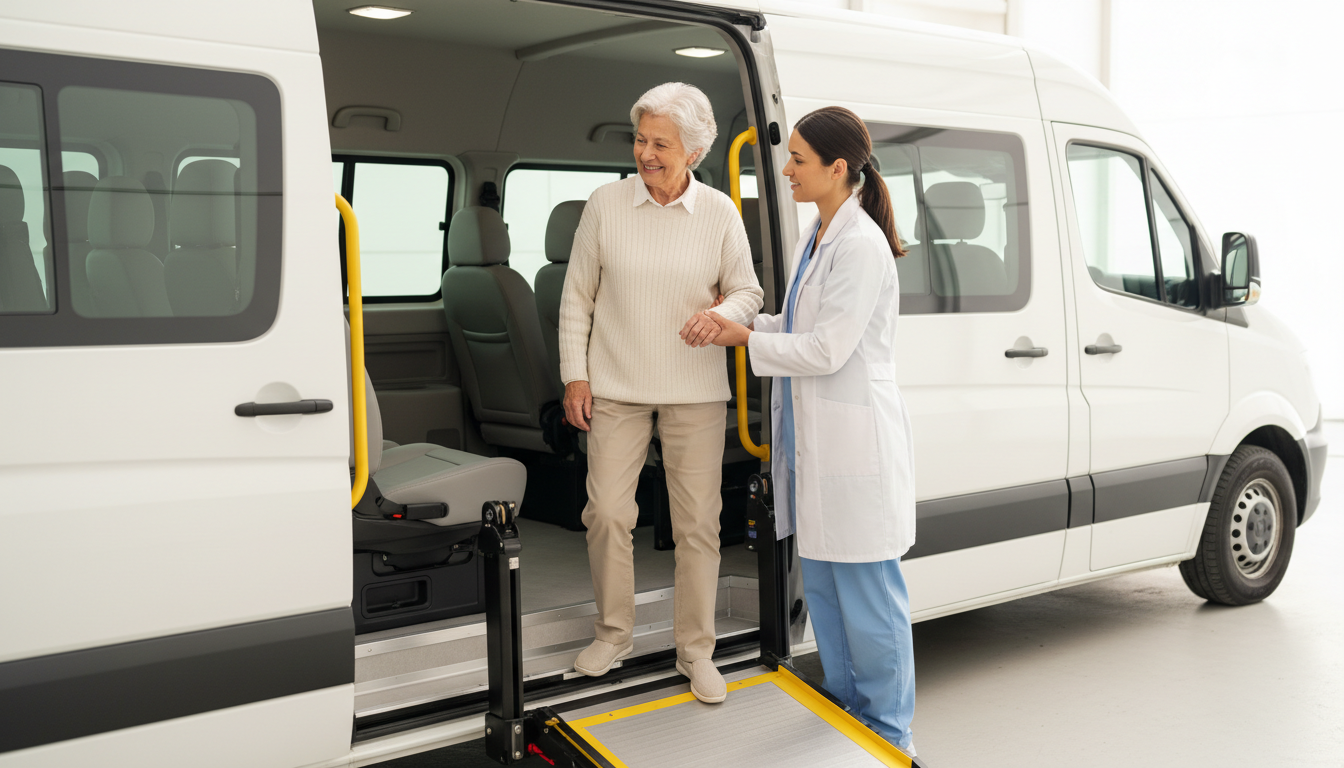
The physical toll of radiation and chemotherapy often manifests as vertigo, muscle atrophy, or peripheral neuropathy, making the simple act of standing a significant challenge. For patients returning home from intense sessions, the walk from the curb to the front door can be the most taxing and dangerous part of the day. This is where private pay medical transportation becomes an essential clinical support rather than just a logistical convenience.
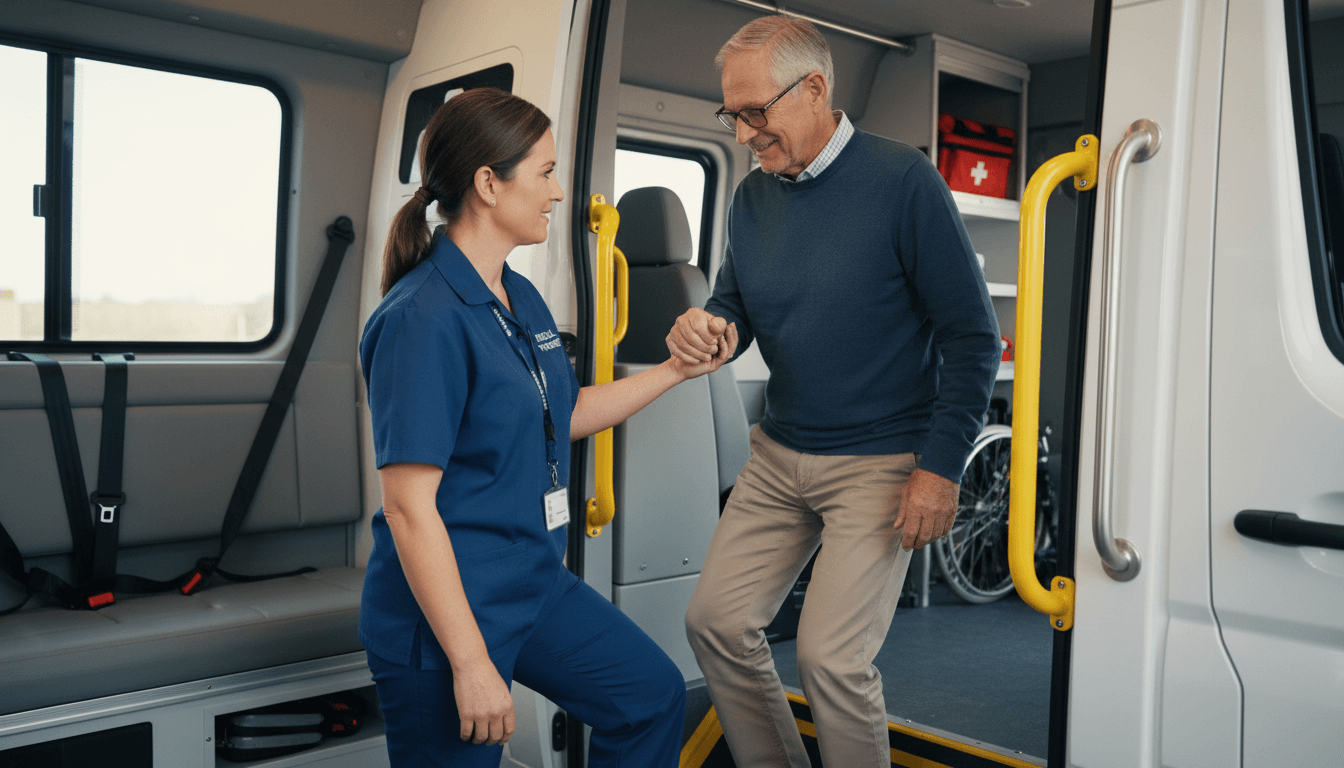
RideRx provides a dedicated door-through-door service designed specifically for those with compromised balance. While standard rideshare drivers are typically prohibited from leaving their vehicles or assisting passengers physically, our team is trained to provide manual stabilization and assistance with stairs. This is particularly vital in coastal Orange County, where residential layouts often include steps or steep driveways that are insurmountable for a patient experiencing profound post-treatment fatigue.
Professional hospital transportation prioritizes patient dignity and safety above speed. We understand that a patient may need to pause, sit, or move slowly to manage nausea or dizziness. Our drivers provide the physical bracing necessary to transition safely from a vehicle into a home or facility, ensuring that transportation for cancer patients Orange County remains a compassionate experience. By offering specialized wheelchair transportation in Irvine and senior transportation services throughout Newport Beach, we eliminate the risk of falls during the critical transition period following medical care.
Does Medicare or Insurance Cover Cancer Treatment Transportation?

Navigating the financial logistics of oncology care is as complex as the medical treatment itself. A frequent question for families involves whether insurance will subsidize the cost of transportation for cancer patients Orange County. The answer depends largely on the specific type of coverage held by the patient.
Traditional Medicare (Parts A and B) rarely covers non-emergency transportation for routine treatments like chemotherapy or radiation. Medicare typically restricts transportation coverage to emergency ambulance services or very specific instances where a patient’s health would be endangered by any other mode of transport. However, many Medicare Advantage (Part C) plans offer supplemental benefits that include a set number of one-way trips to medical appointments each year. Patients should review their Evidence of Coverage (EOC) document or call their plan provider to ask specifically about "transportation benefits."
In Orange County, Medi-Cal is managed through CalOptima. This program does provide non-emergency medical transportation (NEMT) for those who meet specific criteria. To utilize this, a physician must submit a Physician Certification Statement (PCS) form to CalOptima, proving that the patient’s medical condition prevents them from using standard public or private transportation.
RideRx operates primarily as a private pay medical transportation provider, offering a solution for those who do not meet strict insurance criteria or who require more immediate, reliable scheduling than institutional providers can offer. While we do not bill all insurance carriers directly, we provide the detailed invoicing and documentation necessary for patients to seek reimbursement from their Advantage plans or health savings accounts. This approach ensures that patients can access high-quality care without waiting for the lengthy authorization cycles often required by public programs.
Why Uber and Lyft May Not Be the Best Choice for Chemo Rides
Searching for "Uber free rides for cancer patients" or asking "Can you take an Uber to chemo?" often leads to a realization that standard rideshare is not designed for clinical needs. While these apps offer convenience for healthy commuters, they present significant risks for oncology patients. Standard drivers are not trained in medical sensitivity and are typically prohibited by company policy from providing physical assistance. They cannot help a patient through their front door, assist with stairs, or provide the bracing needed when post-treatment vertigo sets in.
Furthermore, standard vehicles lack the capacity for specialized mobility aids. If a patient requires wheelchair transportation in Irvine, a typical sedan cannot accommodate the equipment safely. Cleanliness is another critical differentiator. Chemotherapy often leaves the immune system severely compromised, making the environment of a high-volume rideshare vehicle dangerous. Unlike public options, professional hospital transportation utilizes medical-grade sanitation protocols between every trip. Choosing private pay medical transportation or dedicated senior transportation services ensures a sterile, controlled environment. This level of care is essential for maintaining safe transportation for cancer patients Orange County throughout their recovery journey.
How to Prepare for Your Medical Transport Appointment
Effective hospital transportation begins with proactive planning. Since radiation protocols often span four to six weeks, we recommend booking rides in recurring blocks. This approach ensures your preferred pickup times are secured and removes the administrative burden of last-minute scheduling. When arranging your trip, clearly communicate specific needs to our dispatcher, such as the use of a walker, the need for wheelchair transportation in Irvine, or a history of post-treatment vertigo.
Patients should prepare a small essentials bag for the journey. Clinical environments and vehicle interiors are often kept cool, so bringing a light blanket and staying hydrated with bottled water is recommended. Keeping a nausea bag nearby also provides peace of mind during the ride home. RideRx drivers are familiar with the specific layouts of local Newport Beach and greater Orange County facilities. We know exactly where oncology wings and infusion centers are located, ensuring you are dropped off at the closest possible entrance to minimize physical exertion. By choosing dedicated senior transportation services or private pay medical transportation, you ensure that every detail of your transportation for cancer patients Orange County is handled with professional precision.
Navigating cancer treatment is physically and emotionally demanding, making reliable transportation a vital part of your recovery journey. When you do not have to worry about traffic or parking, you can focus entirely on your health and well-being. If you find that managing these logistics alone is becoming a burden, consider reaching out for expert assistance. You can explore our services to see how professional medical transport can simplify your routine; we are here to provide the comfort and punctuality you deserve during this time.