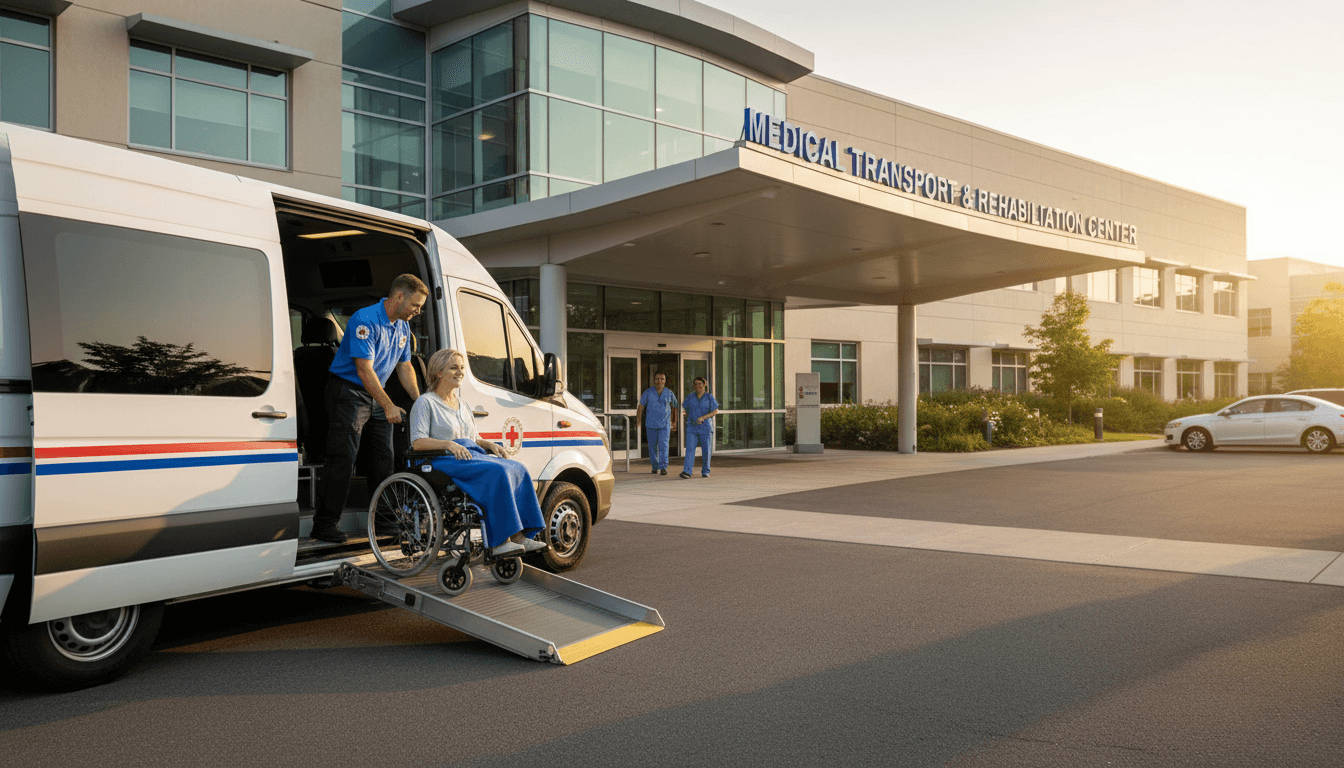
Bariatric medical transportation Orange County utilizes specialized vehicles and reinforced equipment, such as stretchers with capacities exceeding 700 pounds, to ensure the safe and dignified transport of plus-size patients. These services employ trained professionals who prioritize patient comfort and safety; this specialized approach accommodates significant mobility needs while maintaining a judgment-free environment for every ride.
Finding reliable transportation for bariatric medical appointments in Orange County often involves more than just booking a ride; it requires navigating a landscape of physical limitations and the persistent fear of equipment failure or professional judgment. Standard transport providers frequently lack the specialized gurneys or reinforced lifts necessary to ensure a safe transition, leaving patients feeling vulnerable during what should be a routine trip to the doctor. At RideRx Medical Transportation, we understand that dignity is just as vital as safety in these moments. This article explores the specific logistical hurdles plus-size patients face, the critical differences between standard and bariatric transport, and how specialized assistance with stairs can bridge the gap in care. By the end, you will understand how to identify a provider that prioritizes clinical expertise and compassionate service, ensuring every journey is handled with the highest level of respect.
The Challenges of Navigating Orange County Medical Appointments for Plus-Size Patients
For many plus-size patients in Orange County, the stress of a medical appointment begins long before they see a doctor. The physical hurdles of maneuvering into a standard vehicle and the emotional toll of navigating public spaces while worrying about equipment limitations create a significant barrier to care. These challenges are amplified by the logistical reality of Southern California. Navigating traffic between major healthcare hubs, such as Hoag Hospital in Newport Beach and specialized clinics in Irvine, requires more than just a GPS; it requires a vehicle and a team prepared for a longer, more complex transit.
A common misconception is that standard rideshare services or basic non-emergency medical transportation can accommodate bariatric needs. However, there is a critical gap between a standard sedan and a full-scale bariatric ambulance. For those who do not require the acute care of an ambulance but need more support than a standard car, private pay medical transportation fills a vital void by providing the necessary equipment without the high cost of emergency services.
Effective bariatric medical transportation Orange County providers recognize that this service is not simply about offering a larger seat. It involves the use of specialized, reinforced equipment designed to support weights often starting at 350 pounds and extending much higher. It also requires staff trained in specific transfer techniques that prioritize patient safety and musculoskeletal health. When seeking wheelchair transportation in Irvine, patients deserve a solution that accounts for the specific physics of bariatric transit, ensuring that safety, specialized training, and equipment are at the forefront of every trip.
Why Standard Transport Often Fails the Bariatric Community
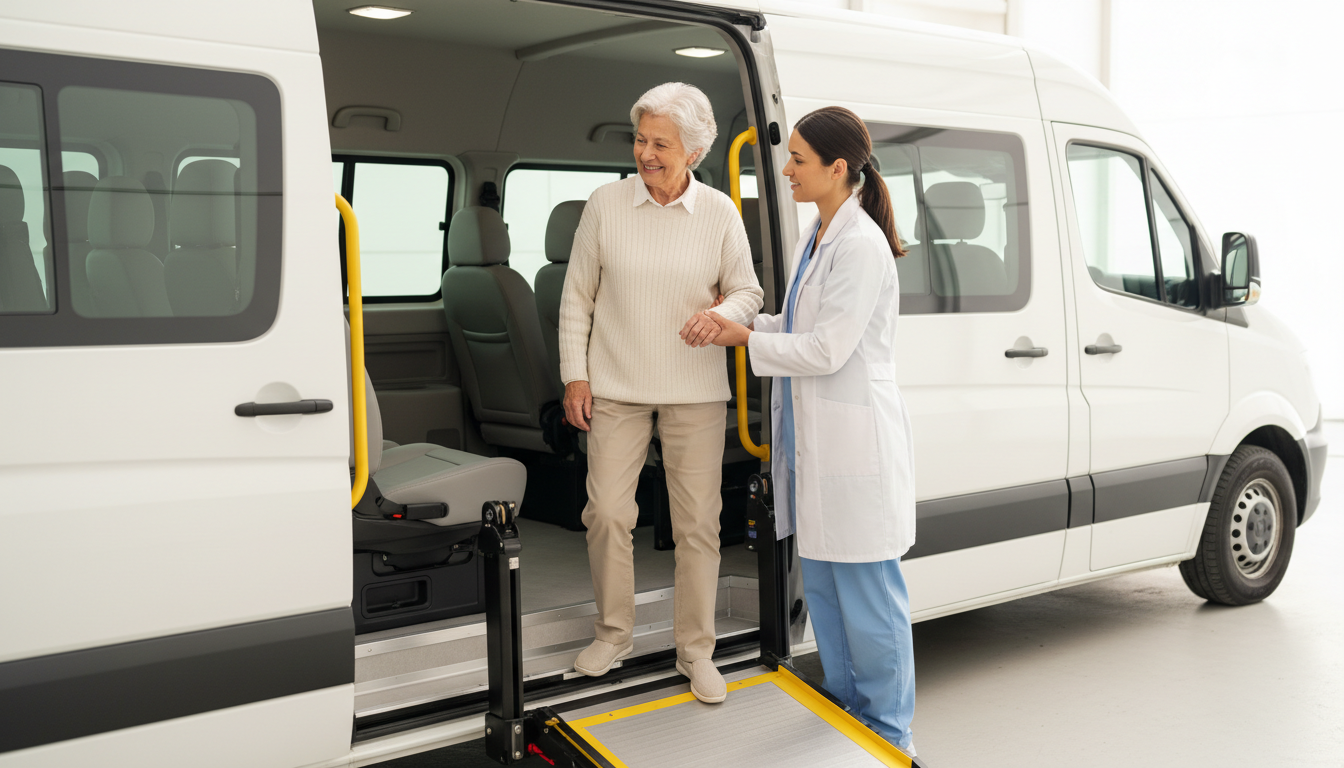
Standard rideshare and even basic NEMT services often operate with equipment that has strict mechanical limits. A standard manual wheelchair, for instance, is typically designed for a maximum capacity of 250 to 300 pounds. When these limits are exceeded, the structural integrity of the frame, wheels, and axles is compromised. Using standard equipment for a bariatric patient creates an immediate risk of mechanical failure during transit or while navigating a ramp. This risk is not merely theoretical; a collapsed wheel or a buckling frame can lead to serious injury for both the patient and the transport team.
Safety in bariatric medical transportation Orange County depends on equipment that is specifically engineered for higher weight capacities. Specialized bariatric wheelchairs are constructed with reinforced steel frames and extra-wide seats, often ranging from 22 to 30 inches or more. These units are built to withstand loads starting at 350 pounds, with heavy-duty transport units rated for up to 1,000 pounds.
Equipment Type | Standard Capacity | Bariatric Capacity |
|---|---|---|
Manual Wheelchair | 250 – 300 lbs | 450 – 1,000 lbs |
Vehicle Ramps | 600 – 800 lbs | 1,000+ lbs |
Seat Width | 16 – 18 inches | 22 – 30+ inches |
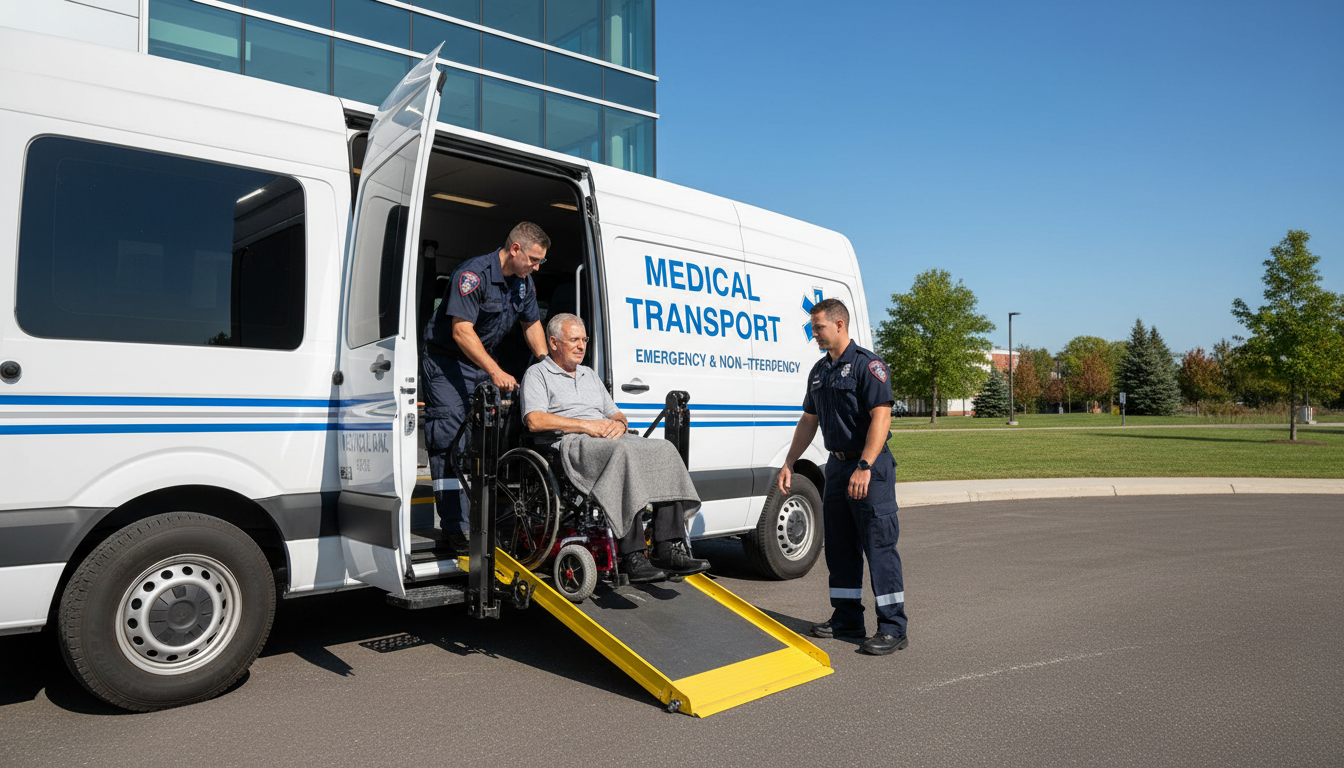
Ramps and lifts are another critical failure point for standard vehicles. A typical aftermarket wheelchair ramp for a minivan may have a weight limit of 600 pounds, which must account for both the patient and the weight of the wheelchair itself. In contrast, specialized bariatric units utilize reinforced ramps or heavy-duty hydraulic lifts that provide a wider footprint and a much higher safety margin.
Attempting to "make it fit" by using narrow seats or standard ramps is never a safe strategy for medical transit. It increases the risk of falls, skin shear, and equipment collapse. For those seeking private pay medical transportation, the primary investment is in this specialized hardware that ensures the physics of the ride match the physical needs of the passenger. This technical preparedness is especially vital when arranging wheelchair transportation in Irvine, where longer transit times on the 405 or 5 freeway require consistent stability.
Prioritizing Dignity: Combatting Weight Stigma and Transportation Anxiety
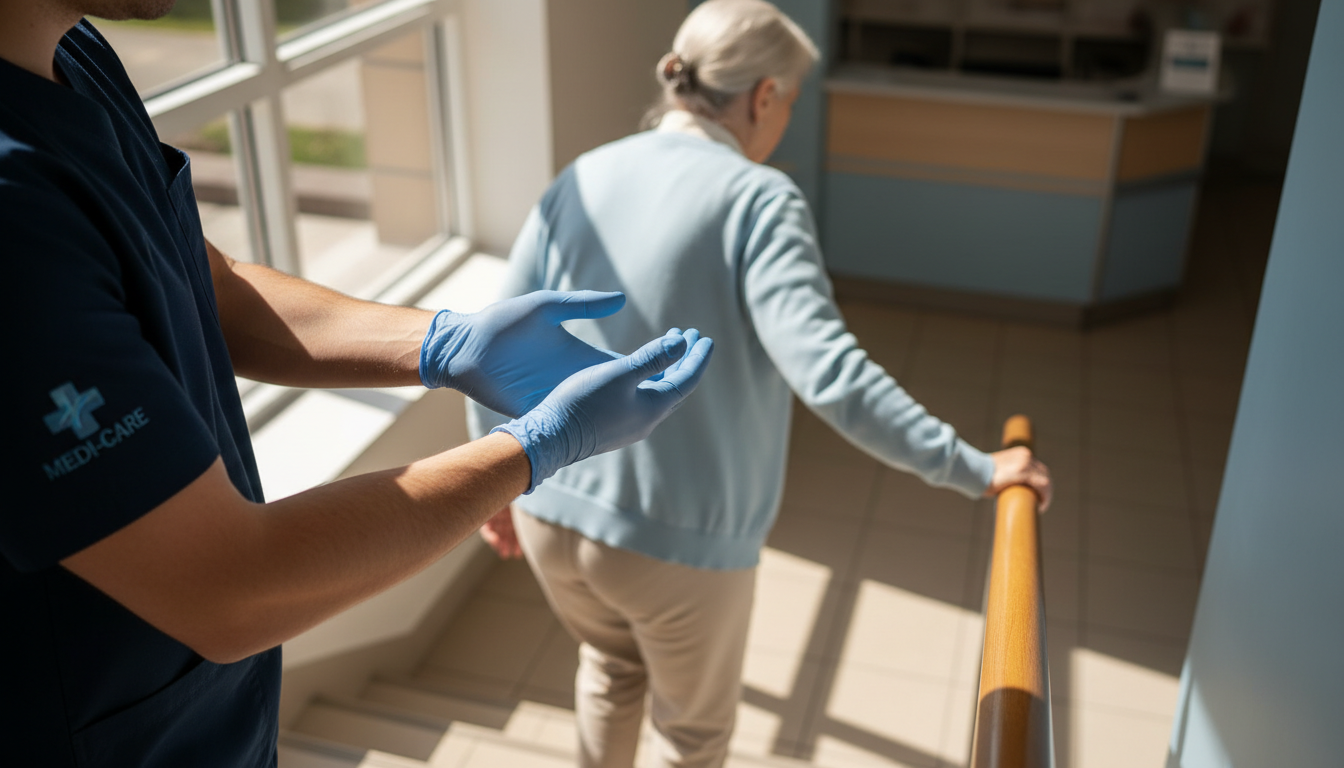
The technical inadequacies of standard transit often fuel a deeper, more personal challenge: transportation anxiety. For many bariatric patients, the fear of judgment, often referred to as weigh-in anxiety, is a significant deterrent to seeking necessary medical care. This emotional burden is frequently rooted in past experiences where equipment felt flimsy or staff appeared frustrated by the logistics of the transfer. At RideRx, we address these concerns through a dignity first philosophy that treats every passenger with the respect they deserve.
Choosing private pay medical transportation provides a bridge to healthcare that bypasses the stigma often found in public or standard transit options. Our drivers are specifically trained to provide physical support without making the patient feel like a burden. This involves more than just physical strength; it requires a professional, compassionate communication style that recognizes the individual rather than just the mobility challenge. We understand that a sigh of exertion or a hesitant look from a driver can be deeply demoralizing, which is why our team is coached in bariatric sensitivity.
One of the most profound benefits of specialized bariatric medical transportation Orange County is the emotional relief of environmental certainty. Knowing that the vehicle is specifically engineered for your body type eliminates the fear of being stuck or causing a scene in a crowded parking lot at a facility like Hoag Hospital. When the ramp is wide enough and the wheelchair is reinforced, the focus shifts from the mechanics of the movement back to the medical appointment itself. This peace of mind allows patients to arrive at their destination calm and prepared, rather than exhausted by the psychological stress of the journey.
Assistance with Stairs and Transitions: A Specialized Service Level
The specialized nature of bariatric medical transportation Orange County is most evident during the first and last ten feet of the journey. While standard transport services often operate on a curb to curb basis, leaving patients and their families to navigate the complex physical barriers of a home or facility, RideRx utilizes a door through door service model. This distinction is critical for patients whose mobility limitations make a single step or a high threshold an insurmountable obstacle.
Our expertise in managing stairs and facility transitions addresses the most physically demanding segments of the trip. At the point of pickup, our drivers do not simply wait at the vehicle; they enter the home to provide direct assistance. This process often involves navigating interior hallways and exterior steps where the patient's weight and the wheelchair's dimensions require precise, professional handling. By using specific body mechanics and reinforced equipment, we ensure that the transition from a living room to the vehicle ramp is seamless and safe. This eliminates the dangerous guesswork that occurs when family members attempt to navigate steps without professional training.
This level of support continues at the destination. Navigating the heavy glass doors of a Newport Beach medical plaza or the carpeted hallways of an Irvine clinic requires strength and specialized technique. Choosing private pay medical transportation ensures that the patient is not left at the entrance to fend for themselves. Instead, our team assists the patient all the way to the check in desk or the specific department where their treatment occurs. This comprehensive approach prevents the common risk of falls during transitions and removes the physical burden from caregivers, allowing them to focus on the medical consultation rather than the logistics of the move.
What to Look for in a Bariatric Medical Transport Provider
Selecting a provider for bariatric medical transportation Orange County requires looking beyond the vehicle's appearance to its mechanical specifications and the staff's specialized training. High quality service providers should offer transparent details about their equipment ratings and the specific assistance levels they provide during home to facility transitions.
When vetting a company, use the following technical and service checklist:
Requirement | Critical Specification |
|---|---|
Ramp or Lift Capacity | Minimum 800 to 1,000 lbs dynamic load rating |
Interior Clearance | Extra wide floor plan to prevent scraping or pinching |
Specialized Seating | Availability of reinforced, extra wide wheelchairs (22+ inches) |
Service Level | Door through door assistance, including stair navigation |
Before booking private pay medical transportation, ask direct questions to ensure the team can handle your specific environment. Ask: "Can you assist me up three stairs at my front door?" and "Are your drivers specifically trained in bariatric sensitivity and safe weight transfer techniques?"
Choosing a local provider based in Newport Beach ensures the team understands the traffic patterns near Hoag Hospital and can guarantee on time arrivals for wheelchair transportation in Irvine. Local expertise is essential for time sensitive appointments like dialysis or post surgical follow ups where delays can compromise health. Verifying these details beforehand prevents the stress of equipment failure and ensures the provider can truly accommodate your physical needs with professional care.
Common Questions About Bariatric Transport in Orange County

Navigating the logistics of specialized transit often brings up specific concerns regarding cost, safety, and scheduling. Addressing these questions directly helps families make informed decisions for their loved ones.
### Does insurance or Medi-Cal cover bariatric transport? Many patients in the region utilize Medi-Cal transportation coverage for recurring medical appointments, such as dialysis or physical therapy. Coverage typically requires a physician to document the medical necessity of specialized equipment that standard transit cannot provide. For non-medical needs, such as attending a wedding or a family holiday in Newport Beach, private pay medical transportation is the most reliable option. This allows for customized scheduling without the rigid authorization requirements of insurance providers.
### What is the major risk factor in transferring plus-size patients? The primary risk during the transfer of obese patients is a fall caused by equipment failure or improper body mechanics. Standard wheelchairs and ramps often lack the structural reinforcement to maintain stability under higher loads. Professional bariatric medical transportation Orange County providers mitigate this risk by using hydraulic lifts and wheelchairs rated for up to 1,000 pounds. These tools, combined with trained staff who prioritize fall prevention during door through door transitions, ensure the patient remains secure from the moment they leave their bed until they reach their destination.
### How do I book a ride for a doctor's visit or event? To book a ride, provide the patient's approximate weight and mobility level to ensure the correct equipment is dispatched. Mention any specific obstacles, such as narrow hallways or front porch stairs. For wheelchair transportation in Irvine or appointments at Hoag Hospital, scheduling 24 to 48 hours in advance is recommended. This lead time ensures that a vehicle with the necessary ramp clearance and interior space is prepared for your specific itinerary.
Navigating medical appointments should never feel like a burden or cause unnecessary stress because of your size. Dignity, safety, and comfort are fundamental rights for every patient in Orange County. If you find that organizing your own transport is becoming too difficult, you might consider professional assistance. Our team is trained to handle specialized needs with care and respect. You can explore our full range of Services to see how we can make your next trip smooth and dignified. We are here to support your health journey with expertise.