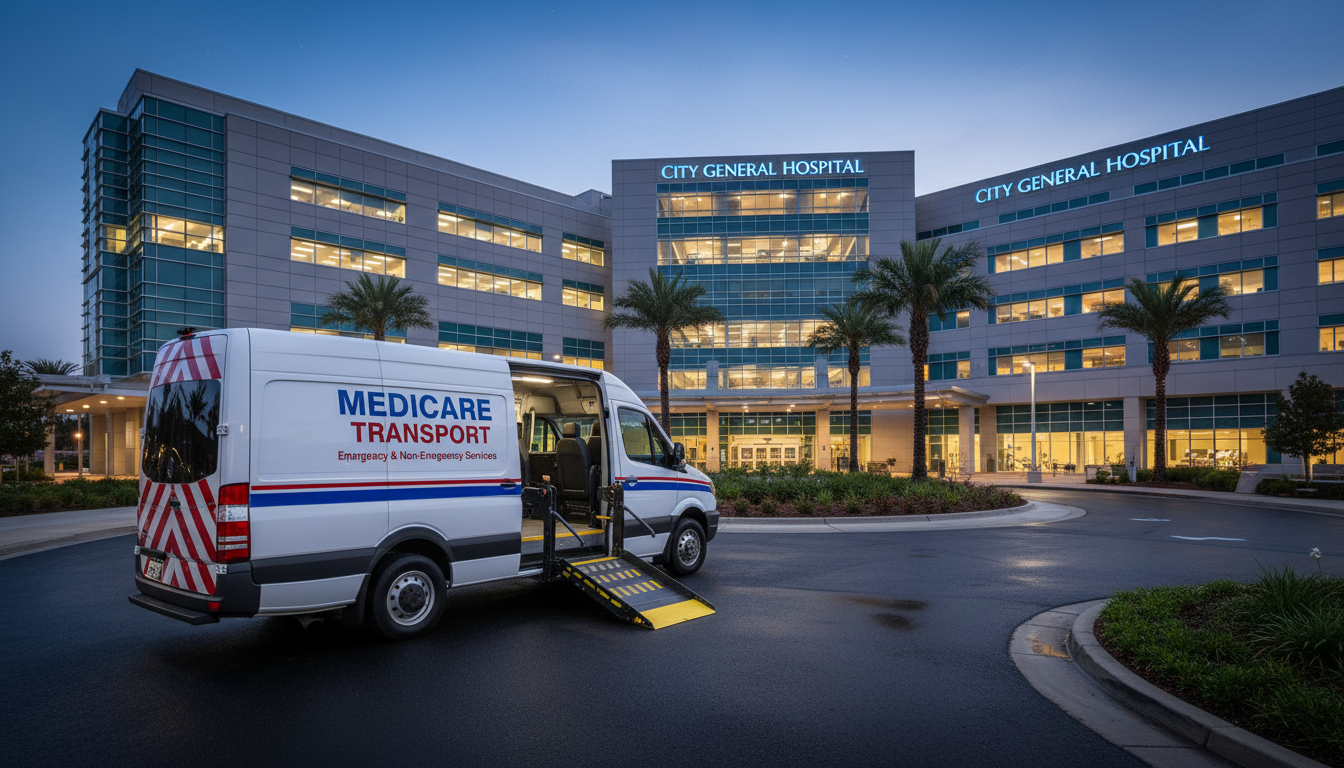
Choosing between wheelchair transportation vs ambulance services depends primarily on whether the patient requires emergency medical intervention or simple mobility assistance. Ambulances are designated for urgent, life-threatening situations where immediate clinical care is necessary. Wheelchair transportation is a pre-scheduled, non-emergency option for stable individuals who need help getting to medical appointments safely.
Navigating the complexities of medical transit in Newport Beach often leaves families feeling overwhelmed by high costs and logistical uncertainty. When a loved one requires specialized mobility assistance, the immediate impulse is often to call for an ambulance; however, this decision can lead to significant financial strain for non emergency needs. Understanding the distinct differences between advanced life support and non emergency wheelchair transportation is essential for ensuring both patient safety and fiscal responsibility. In this guide, we examine the equipment, personnel, and cost structures that define these two services. You will learn how to identify which level of care is appropriate for your situation, why Medicare coverage varies between them, and how choosing the right professional transport provider can improve the healthcare experience for your family.
The Key Differences Between Ambulances and Wheelchair Transportation
Navigating the healthcare system in Newport Beach often requires specialized transit, yet many families are unsure which vehicle type fits their specific situation. The primary distinction between the two services is the level of clinical intervention and the urgency of the trip. An ambulance essentially functions as a mobile emergency room, designed for rapid response and life sustaining care. In contrast, non-emergency wheelchair transportation is a professional transit solution for individuals who are medically stable but require physical assistance that a standard car or rideshare cannot provide.
While both services fall under the broad umbrella of medical transport, they serve distinct purposes within the local healthcare ecosystem. Ambulances are high intensity resources reserved for acute crises or situations where a patient requires continuous monitoring by paramedics. Conversely, reliable non-emergency medical transportation provides a structured, predictable way for patients to reach dialysis centers, physical therapy, or post surgical follow up appointments. Understanding the wheelchair transportation vs ambulance dynamic is crucial for ensuring patient safety while effectively managing the logistics of recurring care. This section sets the stage for a deeper look into how equipment, staffing, and costs differ between these two vital services.
Understanding Ambulance Services: Emergency Medical Response
An ambulance ride is characterized by its clinical capabilities and its role as an immediate intervention for acute health crises. These vehicles are essentially mobile clinical environments, designed to stabilize patients during high-risk scenarios. Within the emergency response system, there are four primary kinds of ambulance services utilized in Orange County:
Basic Life Support (BLS): These units are staffed by Emergency Medical Technicians (EMTs) and are equipped with basic tools such as oxygen, airway management equipment, and automated external defibrillators (AEDs).
Advanced Life Support (ALS): Staffed by Paramedics, ALS units provide a higher level of care, including cardiac monitoring, intravenous (IV) therapy, and the administration of advanced medications.
Critical Care Transport (CCT): These are specialized units, often involving a registered nurse, used to move patients with complex needs between hospitals or specialized care centers.
Air Ambulance: Reserved for extreme trauma or time-sensitive transit over long distances, utilizing helicopters or fixed-wing aircraft.
The presence of intensive equipment like cardiac monitors, ventilators, and pharmacological kits accounts for the significant overhead and costs, which frequently exceed $1,400 per trip. This level of service is strictly reserved for life-threatening situations or instances where a patient cannot be safely moved without professional clinical oversight.
If a patient is medically stable and does not require constant monitoring by a paramedic, the high-intensity environment of an ambulance may be unnecessary. Recognizing the differences in wheelchair transportation vs ambulance capabilities helps families avoid the unnecessary expense of emergency services when reliable non-emergency medical transportation is a more appropriate, structured solution for their specific needs. For those managing chronic conditions or recovering from surgery, the priority shifts from emergency intervention to professional, supportive transit.
What is Non Emergency Medical Wheelchair Transportation?
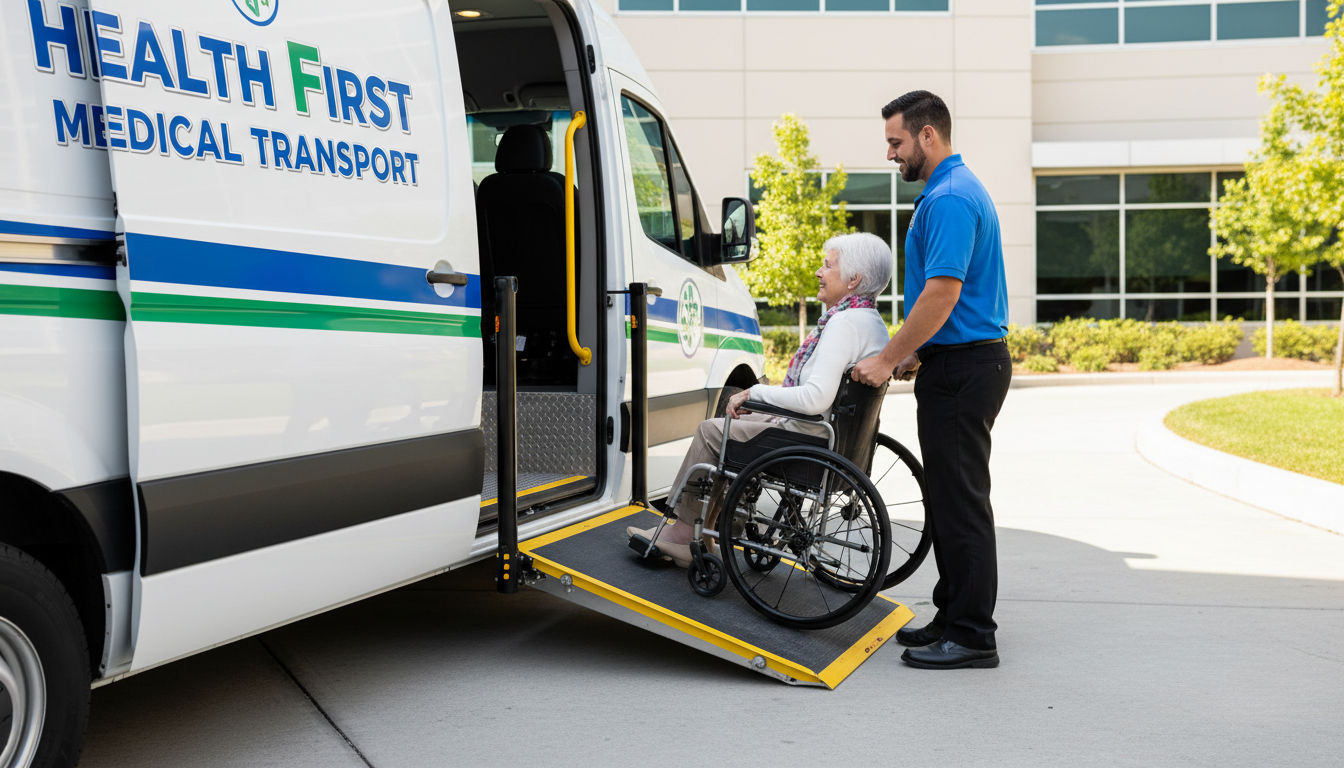
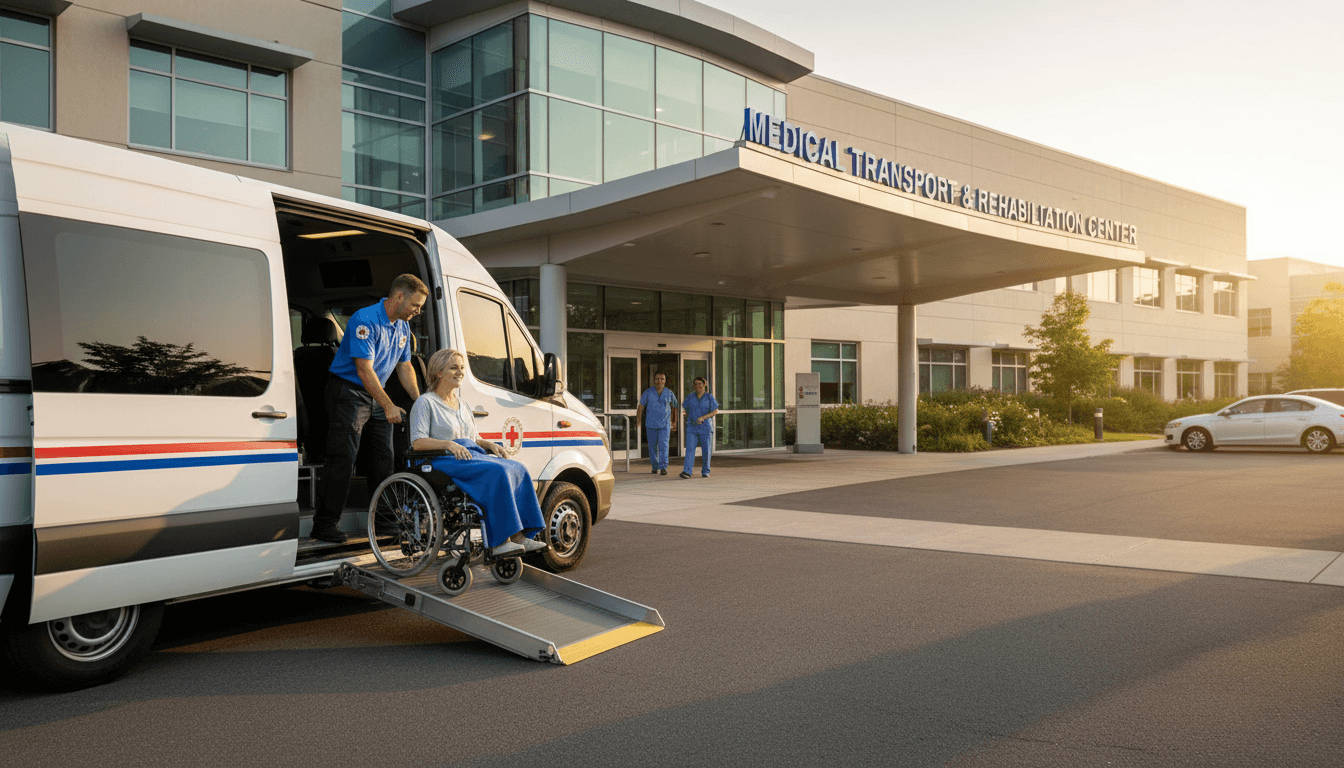
Non-emergency medical transportation (NEMT) is a specialized service designed for individuals who are medically stable but face mobility challenges that make standard vehicles or rideshare apps impractical. At RideRx, this service bridges the gap for ambulatory and wheelchair-bound patients in Newport Beach who require consistent access to care. Unlike the urgent, high-intensity nature of an emergency response, NEMT is a pre-scheduled, professional transit solution focused on comfort and reliability for recurring treatments such as dialysis, physical therapy, and post-surgical follow-up appointments.
The staffing model represents a primary distinction when evaluating wheelchair transportation vs ambulance options. While ambulances carry paramedics or EMTs focused on clinical intervention and stabilization, NEMT vehicles are operated by professional drivers who specialize in mobility assistance and patient sensitivity. These drivers are CPR-certified and extensively trained in safe patient handling and securement protocols, ensuring that the transit experience is supportive rather than purely clinical.
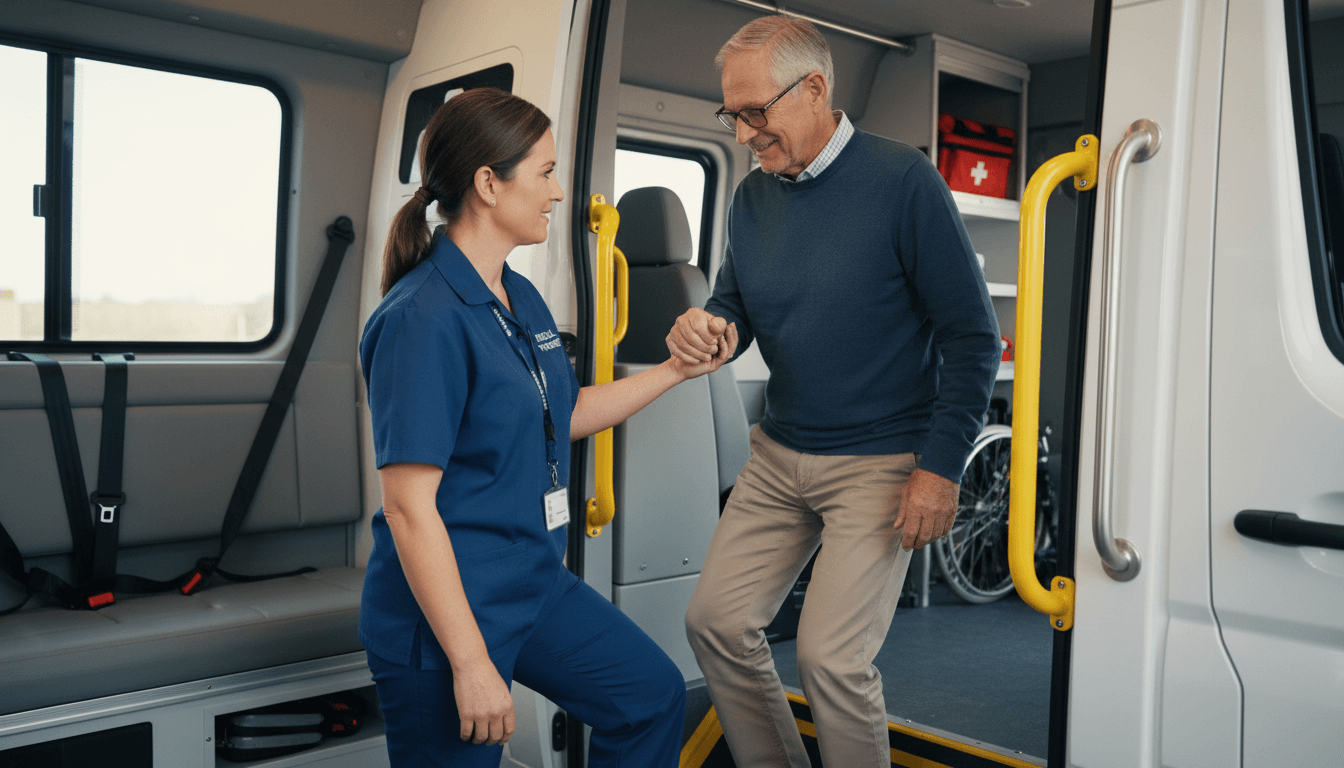
A critical component of reliable non-emergency medical transportation is the door-through-door philosophy. Many standard transit options simply drop passengers at a curb, leaving them to navigate the complexities of a medical plaza or a residential entrance alone. RideRx addresses this gap by providing direct assistance with facility transitions and navigating stairs, which is often a significant barrier for patients in multi-level homes. For residents visiting expansive medical centers near Hoag Hospital or local specialty clinics, this hands-on support ensures the patient is not just transported to a destination, but safely settled into their appointment or back into their living room.
Comparison: Cost, Equipment, and Personnel
Choosing between these two modes of transit requires a clear understanding of the logistics involved. The most immediate difference lies in the personnel. Ambulance crews are optimized for high-stakes medical intervention, employing Paramedics and EMTs trained to stabilize life-threatening conditions. In contrast, RideRx drivers are mobility specialists. While they are CPR-certified and trained in basic life support, their primary expertise focuses on safe patient transfer, navigating physical obstacles like steps, and ensuring a dignified experience during transit.
The equipment reflects these differing missions. An ambulance is built around a gurney or stretcher and packed with diagnostic monitors, oxygen delivery systems, and cardiac equipment. For reliable non-emergency medical transportation, the vehicle architecture is designed for accessibility. RideRx vans utilize hydraulic ramps or specialized lifts that allow patients to remain in their own wheelchairs. These vehicles feature multi-point floor-mounted securement systems and comfortable seating for companions, prioritizing stability and comfort over clinical intervention.
Feature | Emergency Ambulance | RideRx Wheelchair Transport |
|---|---|---|
Primary Staff | Paramedics and EMTs | Professional Mobility Drivers |
Vehicle Entry | Gurney or Stretcher | Hydraulic Ramp or Lift |
Medical Gear | Defibrillators, IV Kits, Monitors | Securement Systems, Safety Belts |
Nature of Trip | Reactive, On-call 911 | Proactive, Pre-scheduled |
Typical Cost | $1,500+ per trip | Predictable, pre-arranged rates |
The financial impact of this choice is substantial. Because an ambulance is a high-cost clinical resource that must remain on standby for emergencies, the base rate and mileage fees often exceed $1,500 per trip. Non-emergency medical transportation offers a more sustainable model for families managing long-term care. By weighing wheelchair transportation vs ambulance services for planned events like dialysis or follow-up surgery appointments, Newport Beach residents can access professional care at a more appropriate price point, ensuring that medical budgets are preserved for actual treatment rather than just the journey.
Does Medicare Pay for Wheelchair Transport Home?
Medicare Part B coverage for transit is strictly defined and often creates confusion for families navigating the wheelchair transportation vs ambulance decision. Specifically, Medicare generally covers ambulance services only in emergency situations or when traveling in any other vehicle would pose a serious threat to the patient’s health. This coverage typically applies to transport to a hospital, critical access hospital, or skilled nursing facility.
For a trip from a facility back to a private residence, Medicare coverage remains restrictive. It does not typically pay for routine wheelchair van services to doctor appointments, physical therapy, or family gatherings. While some Medicare Advantage plans may offer supplemental transportation benefits, traditional Medicare views standard wheelchair transport as a non-covered convenience rather than a medical necessity.
This limitation is a primary reason why many Newport Beach families utilize reliable non-emergency medical transportation through private providers. Instead of waiting for a high-cost ambulance that may not be covered or relying on a standard rideshare that lacks safety equipment, patients receive specialized assistance. By choosing a private service like RideRx, residents ensure their loved ones have professional support for stairs and facility entries, effectively bridging the gap where federal insurance falls short.
When to Choose Wheelchair Transportation Over an Ambulance
Determining the appropriate level of care depends on the clinical stability of the patient and the nature of the destination. If an individual is medically stable and does not require active monitoring or life support, utilizing reliable non-emergency medical transportation is often the more efficient and comfortable choice. When assessing the wheelchair transportation vs ambulance decision, the choice for a specialized van becomes clear if the journey fits the following criteria:
The patient is medically stable and does not require oxygen titration or IV medications during transit.
The trip involves a recurring appointment, such as a scheduled visit to a Newport Beach dialysis center or physical therapy session.
The destination is a private residence for a holiday or a family celebration in Orange County.
The patient requires physical help navigating a multi-story medical plaza or residential stairs.
Local knowledge plays a significant role in providing a smooth experience. Drivers who understand the specific layouts of Hoag Hospital or the complex parking structures of Newport Beach medical plazas can save valuable time and reduce patient anxiety. Unlike an ambulance crew that focuses on the quickest route to an emergency bay, NEMT specialists understand which entrance is closest to a specific wing or how to safely manage a steep residential driveway. If your situation fits these parameters, contact RideRx today to coordinate professional care.
Why RideRx is the Preferred Choice for Newport Beach Families

Families in Newport Beach face unique logistical hurdles, from the narrow residential streets of the Peninsula to the sprawling multi-level medical offices near Fashion Island. Standard transit options often fail when a patient encounters steep residential stairs or needs help navigating a complex facility layout. RideRx solves these local challenges by providing more than just a vehicle; our team specializes in the physical transition from a bedroom to the van and directly into the doctor’s office. This hands-on support is a primary factor for residents evaluating wheelchair transportation vs ambulance services for stable patients.
Local families gain peace of mind knowing their loved ones are never subjected to a "drop and go" service. Instead, our professionals remain with the patient until they are safely checked into their appointment or settled comfortably back at home. We understand the specific entry points of local medical plazas and the importance of punctuality for time-sensitive treatments like dialysis. For families seeking reliable non-emergency medical transportation that prioritizes dignity and safety, contact RideRx today to arrange a personalized transport plan.
Deciding between wheelchair transportation and an ambulance comes down to the level of medical support you need during your trip. While ambulances are essential for emergencies, non-emergency transit offers a comfortable, reliable alternative for daily appointments. If you want expert help selecting the right option for your specific situation, we invite you to learn more about our Services. Our team is dedicated to providing safe and compassionate transport throughout Newport Beach, ensuring you always arrive at your destination with peace of mind.